Introduction to Smart Budgeting for Beginners
Smart budgeting is a crucial skill that everyone should develop, regardless of their financial situation. Budgeting allows you to take control of your finances, prioritize your spending, and save for the future. For beginners, the idea of creating a budget can be overwhelming, but with the right tools and strategies, anyone can become a smart budgeter. In this article, we will explore the basics of smart budgeting for beginners and provide tips on how to get started.
Setting Financial Goals
The first step in smart budgeting for beginners is to set financial goals. These goals will help you stay motivated and focused on your budgeting journey. Start by identifying short-term goals, such as paying off debt or saving for a vacation, and long-term goals, such as buying a house or retiring comfortably. Once you have your goals in mind, you can create a budget that aligns with your priorities and helps you work towards achieving them.

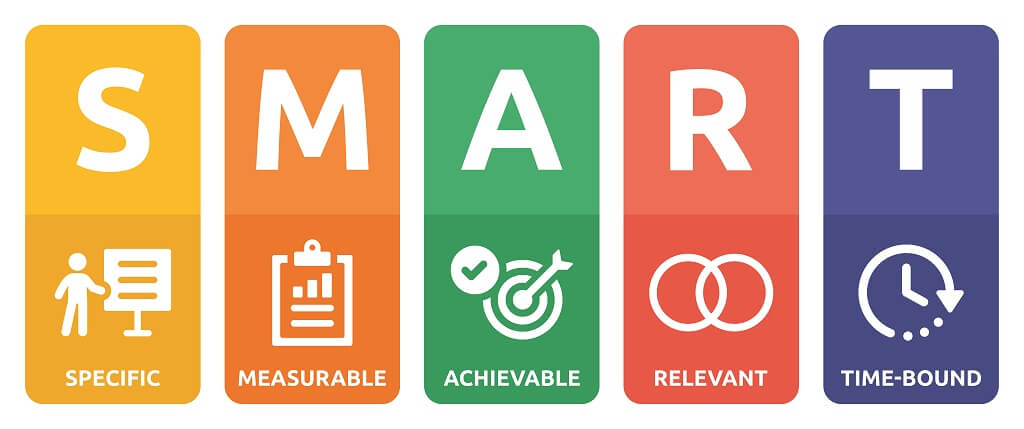
Next, break down your goals into smaller, manageable steps. For example, if your goal is to save $5,000 for a down payment on a house, calculate how much you need to save each month to reach that goal within a specific timeframe. By setting clear, achievable milestones, you can track your progress and stay motivated to stick to your budget.
Understanding Your Income and Expenses
Before you can create a budget, you need to have a clear understanding of your income and expenses. Start by calculating your total monthly income, including your salary, bonuses, and any other sources of income. Next, make a list of all your monthly expenses, such as rent or mortgage payments, utilities, groceries, transportation, and entertainment. Be sure to include both fixed expenses, like rent, which stay the same each month, and variable expenses, like groceries, which can fluctuate.
Once you have a clear picture of your income and expenses, you can calculate your monthly net income by subtracting your expenses from your income. This number represents how much money you have left over each month after covering your expenses. By understanding your income and expenses, you can make informed decisions about where to allocate your money and identify areas where you can cut back to save more.
Creating a Budget
Now that you have a clear understanding of your financial goals, income, and expenses, it’s time to create a budget. Start by categorizing your expenses into fixed, variable, and discretionary categories. Fixed expenses are essential costs that stay the same each month, like rent or mortgage payments, while variable expenses can fluctuate, like groceries or dining out. Discretionary expenses are non-essential costs, like entertainment or shopping, that you can choose to cut back on if needed.

Next, allocate a specific amount of money to each expense category based on your income and priorities. Be sure to set aside money for savings and emergencies, as well as for paying off debt if you have any. Consider using a budgeting app or spreadsheet to track your expenses and monitor your progress towards your financial goals.
Tracking Your Spending
One of the key components of smart budgeting for beginners is tracking your spending. By keeping tabs on where your money is going, you can identify areas where you may be overspending and make adjustments to stay on track with your budget. Consider using a budgeting app or spreadsheet to categorize your expenses and monitor your spending in real-time.

To track your spending effectively, make it a habit to review your expenses regularly, such as at the end of each week or month. Look for patterns in your spending habits, such as recurring subscriptions or impulse purchases, that you can cut back on to save more money. By staying aware of your spending, you can make informed decisions about where to allocate your money and work towards achieving your financial goals.
Building an Emergency Fund
One of the most important aspects of smart budgeting for beginners is building an emergency fund. An emergency fund is a savings account that you can tap into when unexpected expenses arise, such as medical bills or car repairs. Having an emergency fund can provide you with peace of mind and financial security, knowing that you have a buffer to cover unforeseen costs without derailing your budget.

To build an emergency fund, set a specific savings goal, such as three to six months’ worth of living expenses, and allocate a portion of your monthly income towards this fund. Consider automating your savings by setting up recurring transfers from your checking account to your emergency fund, so you can make consistent progress towards your goal. By prioritizing your emergency fund, you can protect yourself from financial setbacks and stay on track with your budgeting goals.
Avoiding Impulse Purchases
Impulse purchases can derail even the most well-intentioned budget, so it’s essential to identify and avoid them. An impulse purchase is a spontaneous buy that you make without careful consideration, often driven by emotions or external influences. These purchases can add up quickly and prevent you from reaching your financial goals, so it’s crucial to recognize and curb the urge to make impulse buys.
To avoid impulse purchases, create a shopping list before you go to the store or shop online, and stick to it. Consider implementing a 24-hour rule, where you wait a day before making a non-essential purchase, to give yourself time to think about whether it aligns with your budget and priorities. Additionally, unsubscribe from marketing emails and unfollow social media accounts that tempt you to spend impulsively. By being mindful of your spending habits and avoiding impulse purchases, you can stay on track with your budget and achieve your financial goals.
Investing in Your Future
Once you have established a solid budget and built an emergency fund, consider investing in your future to grow your wealth over time. Investing allows you to put your money to work for you, generating passive income and building long-term financial security. There are various investment options to choose from, such as stocks, bonds, real estate, or retirement accounts, each with its own risks and potential returns.
Before investing, educate yourself about the different investment options available and consider seeking advice from a financial advisor. Start by setting investment goals, such as saving for retirement or funding a child’s education, and create a diversified investment portfolio that aligns with your risk tolerance and time horizon. By investing in your future, you can maximize your wealth and work towards achieving financial independence.
Conclusion
In conclusion, smart budgeting is a valuable skill that anyone can learn, regardless of their financial background. By setting clear financial goals, understanding your income and expenses, creating a budget, tracking your spending, building an emergency fund, avoiding impulse purchases, and investing in your future, you can take control of your finances and work towards achieving your financial goals. With dedication, discipline, and a willingness to learn, beginners can develop smart budgeting habits that will serve them well for years to come. Start your budgeting journey today and reap the rewards of financial freedom and security.
FAQ
Q: How do I create a budget as a beginner?
To create a budget as a beginner, start by setting financial goals, understanding your income and expenses, categorizing your expenses, and tracking your spending. Allocate a specific amount of money to each expense category based on your priorities and income, and monitor your progress towards your goals regularly.
Q: Why is an emergency fund important?
An emergency fund is important because it provides a financial buffer to cover unexpected expenses without derailing your budget. By building an emergency fund, you can protect yourself from financial setbacks and ensure financial security in the event of unforeseen costs.
Q: How can I avoid impulse purchases?
To avoid impulse purchases, create a shopping list before you shop, implement a 24-hour rule before making non-essential purchases, and unsubscribe from marketing emails that tempt you to spend impulsively. By being mindful of your spending habits and staying focused on your financial goals, you can avoid impulse purchases and stay on track with your budget.