Understanding Healthcare Outcomes
Healthcare outcomes are a critical component of the healthcare industry as they measure the effectiveness of medical treatments and interventions. Healthcare outcomes refer to the results of medical care, specifically the effects on the health status of patients. These outcomes can vary widely and may include factors such as mortality rates, readmission rates, patient satisfaction, and quality of life improvements.
One of the key factors in determining healthcare outcomes is the quality of care provided to patients. Healthcare providers must deliver evidence-based care that is tailored to the individual needs of each patient. This personalized approach to care can lead to better outcomes and improved patient satisfaction.

In addition to the quality of care, other factors that can influence healthcare outcomes include patient demographics, social determinants of health, and access to care. For example, patients from low-income backgrounds may face barriers to accessing healthcare services, which can impact their outcomes.
Overall, understanding healthcare outcomes is essential for healthcare providers, policymakers, and patients alike. By monitoring and analyzing healthcare outcomes, stakeholders can identify areas for improvement and work towards achieving better health outcomes for all individuals.
The Importance of Measuring Healthcare Outcomes
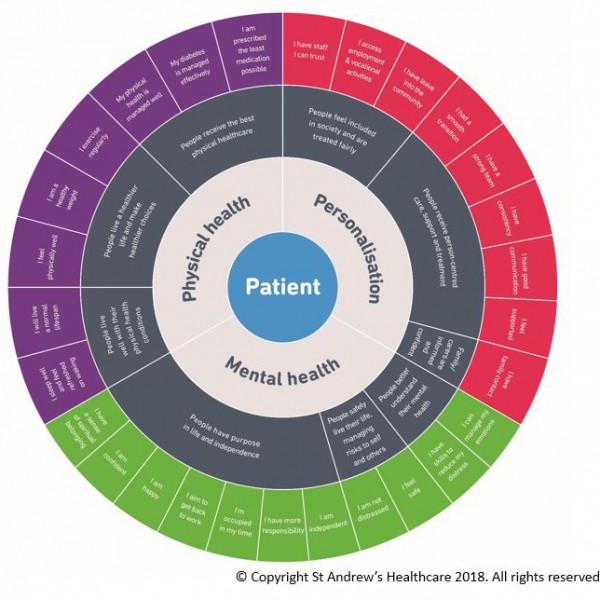
Measuring healthcare outcomes is crucial for improving the quality of care and ensuring better health outcomes for patients. By tracking and analyzing healthcare outcomes, healthcare providers can identify areas of improvement, implement evidence-based practices, and ultimately enhance patient care.
One of the key benefits of measuring healthcare outcomes is the ability to identify disparities in care. By comparing outcomes across different patient populations, healthcare providers can pinpoint areas where certain groups may be experiencing poorer outcomes. This information can then be used to develop targeted interventions to address these disparities and improve overall health outcomes.

Measuring healthcare outcomes also allows for the evaluation of the effectiveness of medical treatments and interventions. By tracking outcomes over time, healthcare providers can assess the impact of different treatments on patient health and make informed decisions about which interventions are most effective.
Overall, measuring healthcare outcomes is essential for driving quality improvement efforts, reducing healthcare costs, and ultimately improving patient outcomes. By monitoring and analyzing outcomes, healthcare providers can identify areas for improvement, implement evidence-based practices, and deliver better care to all patients.
Challenges in Improving Healthcare Outcomes
While measuring healthcare outcomes is essential for improving the quality of care, there are several challenges that healthcare providers may face in this process. One of the primary challenges is the lack of standardized outcome measures across healthcare settings. Without consistent measures, it can be difficult to compare outcomes across different providers and settings.
Another challenge in improving healthcare outcomes is the complexity of healthcare delivery. Healthcare systems are often fragmented, with multiple providers involved in a patient’s care. This fragmentation can lead to gaps in care coordination, which can impact patient outcomes.

Additionally, healthcare outcomes are influenced by a wide range of factors, including patient behavior, social determinants of health, and access to care. Addressing these factors and their impact on outcomes can be challenging, requiring a multifaceted approach to care delivery.
Despite these challenges, it is essential for healthcare providers to continue striving towards improving healthcare outcomes. By addressing these challenges and implementing evidence-based practices, providers can enhance the quality of care, reduce healthcare costs, and ultimately improve patient outcomes.
Strategies for Improving Healthcare Outcomes
Improving healthcare outcomes requires a multi-faceted approach that addresses both clinical and non-clinical factors. Healthcare providers can implement several strategies to enhance patient outcomes and drive quality improvement efforts.
One key strategy for improving healthcare outcomes is the use of evidence-based practices. By following guidelines and protocols that are supported by research, providers can deliver high-quality care that is proven to be effective in improving patient outcomes. This approach can help standardize care delivery and ensure consistent quality across healthcare settings.
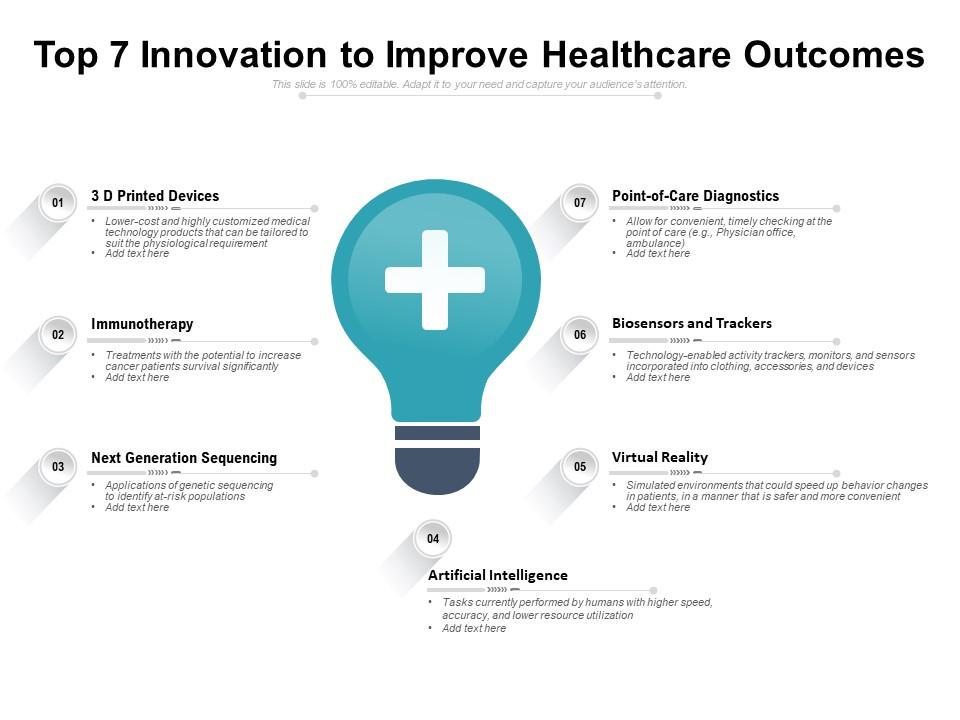
Another strategy for improving healthcare outcomes is the use of technology. Electronic health records, telemedicine, and other digital tools can help streamline care delivery, improve care coordination, and enhance communication among healthcare providers. These technologies can also enable providers to track and monitor patient outcomes more effectively, leading to better care and improved outcomes.
In addition to evidence-based practices and technology, healthcare providers can also focus on addressing social determinants of health to improve outcomes. By considering factors such as housing stability, food insecurity, and access to transportation, providers can better meet the needs of patients and support their overall health and well-being.
Overall, by implementing these strategies and addressing the challenges associated with improving healthcare outcomes, providers can enhance the quality of care, reduce healthcare costs, and ultimately improve patient outcomes for all individuals.
The Role of Cognitive Systems Engineering in Healthcare Outcomes
Cognitive Systems Engineering (CSE) is a field that focuses on the design and implementation of systems that support human cognition and work processes. In healthcare, CSE plays a critical role in improving healthcare outcomes by optimizing the design of healthcare systems, processes, and technologies to enhance provider performance and patient care.
One of the key aspects of CSE in healthcare is the design of decision support systems that help providers make informed clinical decisions. These systems can leverage data analytics, machine learning, and artificial intelligence to analyze patient data, identify trends, and support providers in making evidence-based decisions. By providing timely and accurate information, decision support systems can help improve clinical outcomes and enhance patient care.
CSE also plays a role in optimizing the design of healthcare workflows and processes to enhance efficiency and effectiveness. By applying principles of human factors engineering and cognitive psychology, CSE experts can identify and address bottlenecks, errors, and inefficiencies in healthcare systems, leading to improved outcomes and a better patient experience.
Overall, Cognitive Systems Engineering is a valuable tool for improving healthcare outcomes by enhancing the design of healthcare systems, processes, and technologies. By leveraging CSE principles, healthcare providers can optimize their workflows, support provider decision-making, and ultimately deliver better care to patients.
Testimonials
I have seen firsthand the impact that measuring healthcare outcomes can have on patient care. By tracking outcomes and analyzing data, we were able to identify areas for improvement and implement targeted interventions to enhance patient outcomes. This approach has led to better care, improved patient satisfaction, and ultimately better health outcomes for all individuals. – Dr. Sarah Smith, MD
Implementing evidence-based practices and leveraging technology to improve healthcare outcomes has been a game-changer for our organization. By following guidelines and protocols supported by research and utilizing digital tools to streamline care delivery, we have been able to enhance the quality of care, reduce costs, and improve outcomes for our patients. This approach has allowed us to deliver better care and achieve better health outcomes overall. – Healthcare Administrator
Addressing social determinants of health and focusing on the whole patient has been instrumental in improving healthcare outcomes in our community. By considering factors such as housing stability, food insecurity, and access to transportation, we have been able to better meet the needs of our patients and support their overall health and well-being. This holistic approach to care has led to improved outcomes and better health for our patients. – Social Worker
Conclusion
In conclusion, healthcare outcomes are a critical measure of the effectiveness of medical care and interventions. By monitoring and analyzing outcomes, healthcare providers can identify areas for improvement, implement evidence-based practices, and ultimately deliver better care to patients. Measuring healthcare outcomes is essential for driving quality improvement efforts, reducing healthcare costs, and improving patient outcomes. By implementing strategies such as evidence-based practices, technology, and addressing social determinants of health, providers can enhance the quality of care and improve outcomes for all individuals. Additionally, Cognitive Systems Engineering plays a valuable role in optimizing healthcare systems, processes, and technologies to support provider performance and enhance patient care. By leveraging CSE principles, providers can improve workflows, support decision-making, and ultimately deliver better care to patients. Overall, by focusing on improving healthcare outcomes through data-driven strategies and CSE principles, providers can drive quality improvement efforts, deliver better care, and achieve better health outcomes for all individuals.