Smart Goals for Financial Success
Setting Specific Financial Goals
Setting specific financial goals is crucial for achieving success in your personal finances. When you set specific goals, you have a clear target to aim for, which can help you stay focused and motivated. For example, instead of setting a vague goal like save more money, you could set a specific goal like save $5,000 for a down payment on a house by the end of the year. This specific goal gives you a clear target to work towards and can help you stay on track with your savings.
One of the key benefits of setting specific financial goals is that it allows you to measure your progress. By setting specific targets, you can track your progress over time and see how close you are to achieving your goals. This can help you stay motivated and make adjustments to your financial plan as needed. Additionally, setting specific goals can help you prioritize your spending and make informed financial decisions that align with your long-term objectives.

In order to set specific financial goals, it’s important to take the time to assess your current financial situation and identify areas where you can improve. This might involve creating a budget, tracking your expenses, and analyzing your debt and savings. Once you have a clear understanding of your financial situation, you can set specific goals that are achievable and meaningful to you.
Measurable Financial Goals
Creating measurable financial goals is essential for tracking your progress and staying accountable to your financial objectives. Measurable goals are those that can be quantified and tracked over time, allowing you to see how close you are to achieving them. For example, instead of setting a vague goal like pay off debt, you could set a measurable goal like pay off $10,000 in credit card debt within 12 months. This measurable goal gives you a clear target to work towards and allows you to track your progress along the way.

One of the advantages of setting measurable financial goals is that it helps you stay focused and motivated. When you have a specific target to aim for, you are more likely to stay on track with your financial plan and make the necessary sacrifices to achieve your goals. Measurable goals also provide a sense of accomplishment when you reach them, which can help boost your confidence and encourage you to set even bigger goals in the future.
To create measurable financial goals, it’s important to break down your larger objectives into smaller, actionable steps. This can help you track your progress more effectively and make adjustments to your plan as needed. Additionally, it’s helpful to set deadlines for your goals to keep yourself accountable and motivated. By setting measurable financial goals, you can track your progress, stay focused on your objectives, and ultimately achieve success in your personal finances.
Achievable Financial Goals
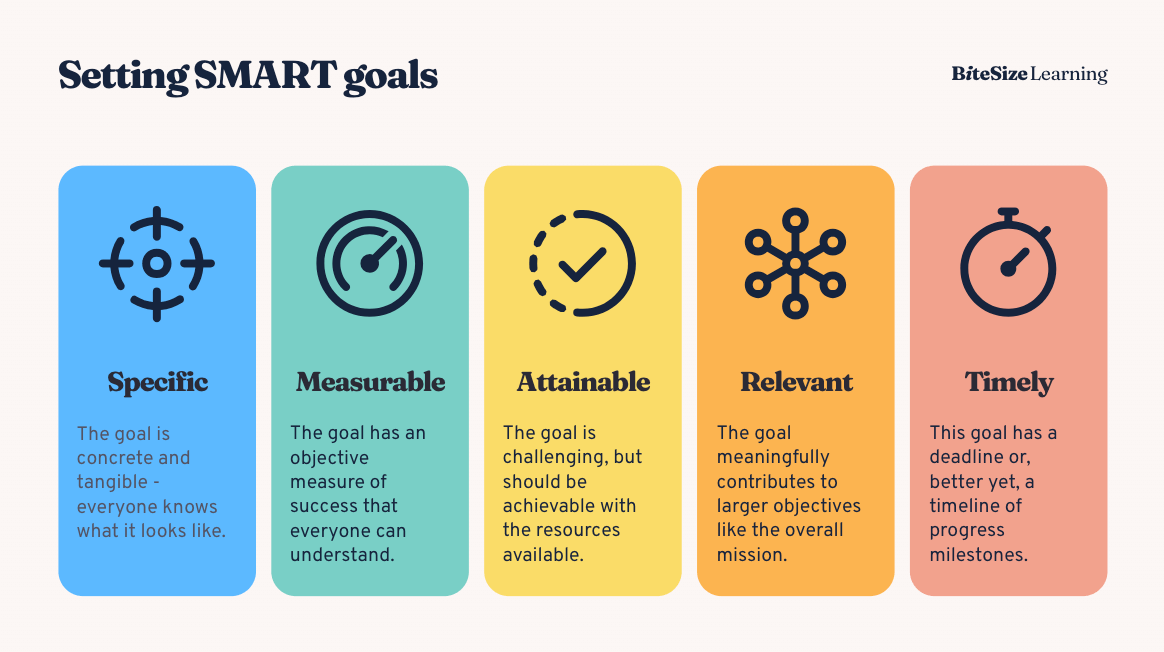
Setting achievable financial goals is essential for success in your personal finances. Achievable goals are those that are realistic and within reach, given your current financial situation and resources. For example, if you have a goal of saving $10,000 in a year but only earn $30,000 annually, this goal may not be achievable without making significant lifestyle changes. Setting achievable goals that are within reach can help you stay motivated and make steady progress towards your financial objectives.
One of the benefits of setting achievable financial goals is that it helps you avoid feeling overwhelmed or discouraged. When you set goals that are realistic and attainable, you are more likely to stay motivated and committed to your financial plan. Achievable goals also allow you to make incremental progress over time, which can help you build momentum and stay on track with your objectives. By setting achievable financial goals, you can set yourself up for success and avoid setting yourself up for failure.
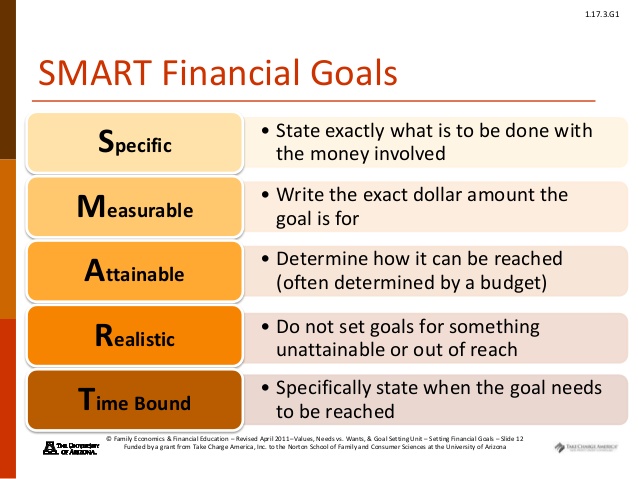
To set achievable financial goals, it’s important to take into account your income, expenses, debt, and savings. Consider your financial resources and constraints when setting your goals, and be honest with yourself about what is realistically achievable. It can also be helpful to break down larger goals into smaller, more manageable steps to make them more attainable. By setting achievable financial goals, you can make steady progress towards your objectives and achieve success in your personal finances.
Relevant Financial Goals
Setting relevant financial goals is key to achieving success in your personal finances. Relevant goals are those that align with your values, priorities, and long-term objectives. For example, if your long-term goal is to retire early, setting a relevant goal like increasing your retirement savings contributions can help move you closer to your objective. Setting goals that are relevant to your overall financial plan can help you stay on track and make informed decisions that support your long-term objectives.
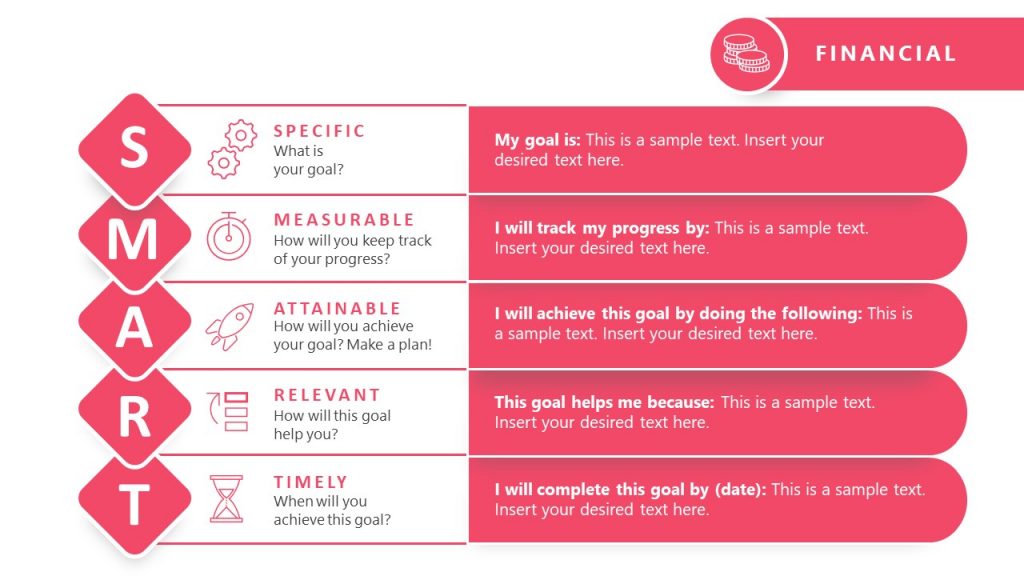
One of the advantages of setting relevant financial goals is that it can help you stay motivated and focused on your financial plan. When you set goals that are meaningful and align with your values, you are more likely to stay committed to achieving them. Relevant goals can also help you prioritize your spending and make informed financial decisions that support your long-term objectives. By setting relevant financial goals, you can ensure that you are making progress towards your financial goals and staying true to your values.
To set relevant financial goals, it’s important to consider your long-term objectives and values. Think about what is important to you and what you want to achieve in the future. Consider how your financial goals align with your values and priorities, and make sure that they support your long-term objectives. By setting relevant financial goals, you can stay motivated, focused, and on track towards achieving success in your personal finances.
Time-Bound Financial Goals
Setting time-bound financial goals is essential for achieving success in your personal finances. Time-bound goals are those that have a specific deadline or timeframe for completion, which can help you stay focused and motivated. For example, instead of setting a vague goal like save more money, you could set a time-bound goal like save $5,000 for a vacation in six months. This time-bound goal gives you a clear deadline to work towards and can help you prioritize your savings and spending to achieve your objective.
One of the benefits of setting time-bound financial goals is that it helps you stay accountable and track your progress. When you have a specific deadline for your goals, you are more likely to stay on track with your financial plan and make the necessary sacrifices to achieve them. Time-bound goals also provide a sense of urgency and motivation to take action, which can help you make progress towards your objectives. By setting time-bound financial goals, you can stay focused, motivated, and on track towards achieving success in your personal finances.
To set time-bound financial goals, it’s important to establish specific deadlines for your objectives. Consider how long it will take to achieve your goals and set realistic deadlines that are achievable. It can also be helpful to break down larger goals into smaller, more manageable steps with specific deadlines to keep yourself accountable. By setting time-bound financial goals, you can track your progress, stay focused on your objectives, and ultimately achieve success in your personal finances.
FAQs
1. How do I set smart financial goals?
Setting smart financial goals involves creating specific, measurable, achievable, relevant, and time-bound objectives that align with your values and priorities. Take the time to assess your current financial situation, identify areas where you can improve, and set clear targets for your objectives. Break down larger goals into smaller, actionable steps and establish deadlines for each goal to stay accountable and motivated.
2. Why are smart financial goals important?
Smart financial goals are important because they provide a clear roadmap for achieving success in your personal finances. By setting specific, measurable, achievable, relevant, and time-bound goals, you can stay focused, motivated, and on track towards your objectives. Smart goals help you track your progress, make informed financial decisions, and ultimately achieve success in your financial plan.
3. How can I track my progress towards my financial goals?
You can track your progress towards your financial goals by monitoring your income, expenses, debt, and savings regularly. Keep track of your spending, savings, and investments to ensure that you are staying on track with your objectives. Review your progress regularly and make adjustments to your financial plan as needed to stay on track towards achieving your goals.