Introduction
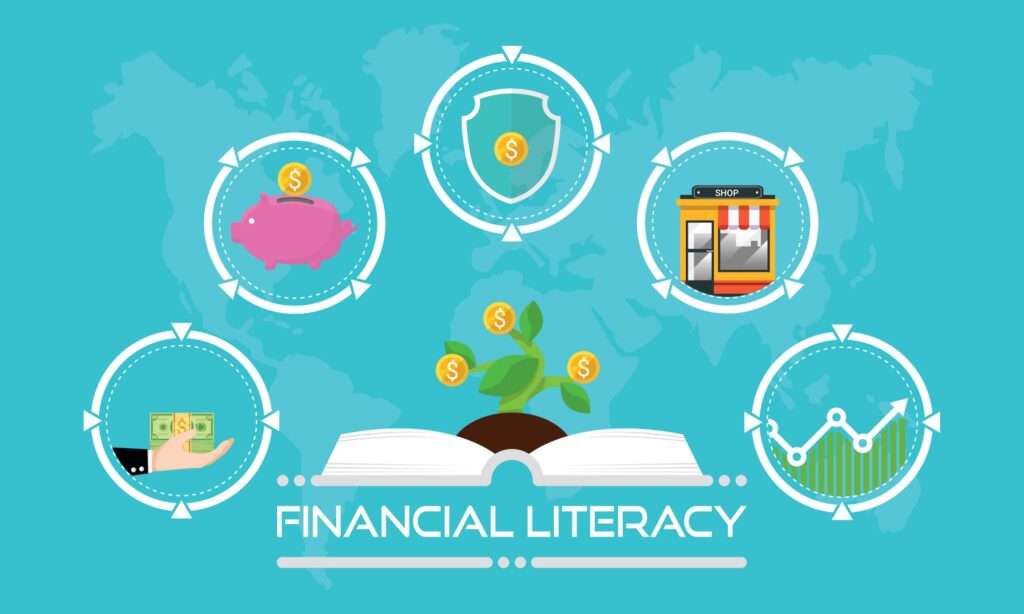
Financial literacy is a crucial skill that everyone should possess in order to achieve wealth and financial stability. It involves understanding how money works, including budgeting, saving, investing, and managing debt. By improving your financial literacy, you can make informed decisions about your money and ultimately build wealth for the future.
Understanding Budgeting
One of the most important aspects of financial literacy is understanding budgeting. A budget is a plan for how you will spend your money each month, taking into account your income and expenses. By creating a budget and sticking to it, you can ensure that you are not spending more than you earn and that you are saving for your financial goals. Budgeting also helps you identify areas where you can cut back on expenses and save more money.
Importance of Saving
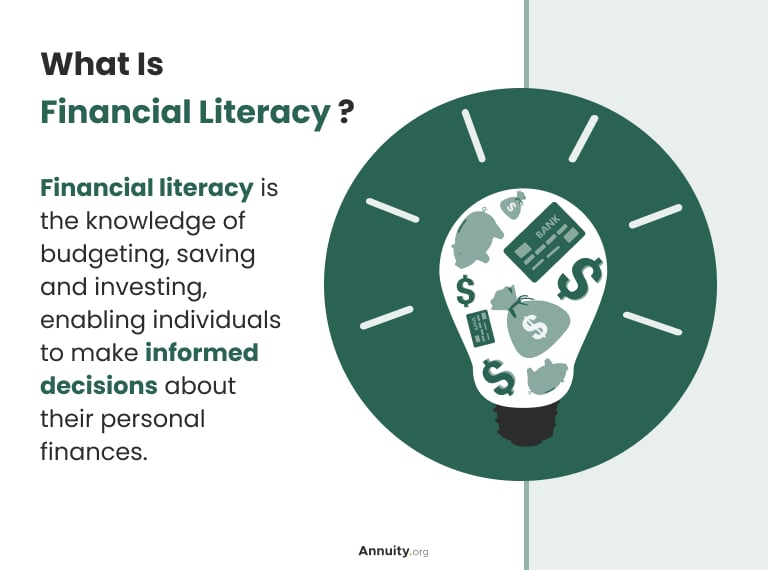
Saving is another key component of financial literacy. By setting aside a portion of your income each month, you can build an emergency fund for unexpected expenses, save for short-term goals like a vacation or a new car, and save for long-term goals like retirement. Saving money not only provides financial security, but it also allows you to take advantage of opportunities that may arise in the future.
Investing for the Future
Investing is a way to grow your money over time by putting it into assets that have the potential to increase in value. By investing in stocks, bonds, mutual funds, and other types of investments, you can earn a return on your money that is higher than what you would earn in a traditional savings account. Investing is essential for building wealth over the long term and achieving financial goals like buying a home or retiring comfortably.
Managing Debt Wisely

Another aspect of financial literacy is managing debt wisely. Debt can be a useful tool for making big purchases like a home or a car, but it can also be a burden if not managed properly. By understanding the different types of debt, such as credit card debt, student loans, and mortgages, and how to pay them off efficiently, you can avoid getting into financial trouble and focus on building wealth instead.
Creating Multiple Income Streams
One way to achieve wealth is by creating multiple income streams. In addition to your primary job, you can explore side hustles, freelance work, rental income, and other opportunities to increase your earnings. By diversifying your income sources, you can protect yourself from financial setbacks and grow your wealth more quickly.
Building a Strong Credit Score
A good credit score is essential for achieving financial success. Lenders use your credit score to determine whether you qualify for loans and credit cards, and what interest rate you will pay. By maintaining a strong credit score through responsible borrowing and timely payments, you can access better financial opportunities and save money on interest costs.
Seeking Professional Financial Advice
Finally, seeking professional financial advice is a wise decision for anyone looking to improve their financial literacy and build wealth. Financial advisors can help you develop a comprehensive financial plan, set and prioritize financial goals, and make informed investment decisions. By working with a financial advisor, you can gain valuable insights and guidance that can help you achieve long-term financial success.
Conclusion

Financial literacy is a powerful tool that can help you build wealth and achieve your financial goals. By understanding concepts like budgeting, saving, investing, and managing debt, you can make informed decisions about your money and set yourself up for long-term financial success. By taking the time to improve your financial literacy and seek professional advice when needed, you can create a solid financial foundation for yourself and your family.
FAQ
What is financial literacy?
Financial literacy refers to the knowledge and skills required to make informed decisions about money, including budgeting, saving, investing, and managing debt.
Why is financial literacy important for wealth building?
Financial literacy is important for wealth building because it helps you make smart decisions about your money, avoid financial pitfalls, and take advantage of opportunities to grow your wealth over time.
How can I improve my financial literacy?
You can improve your financial literacy by reading books and articles about personal finance, taking courses or workshops, seeking advice from financial professionals, and practicing good financial habits in your daily life.