Setting Financial Goals
Setting financial goals is the first step towards smart financial planning. It is important to have clear and measurable goals in mind when creating a financial plan. Whether your goal is to buy a house, save for retirement, or pay off debt, having a specific target will help you stay focused and motivated. Start by evaluating your current financial situation and then set realistic goals that are achievable within a certain timeframe. Remember to review and adjust your goals periodically as your financial situation changes.
Creating a Budget
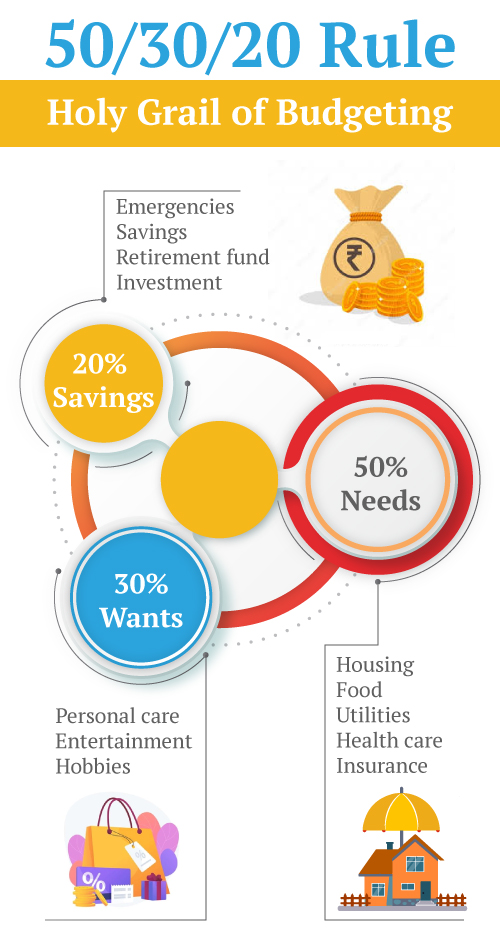
Creating a budget is essential for managing your finances effectively. Start by tracking your income and expenses to get a clear picture of where your money is going. Categorize your expenses into fixed and variable costs, and identify areas where you can cut back or reduce spending. Set specific spending limits for each category and stick to your budget to avoid overspending. Regularly review your budget and make adjustments as needed to ensure you are on track to meet your financial goals.
Building an Emergency Fund

Building an emergency fund is a critical component of smart financial planning. An emergency fund is a savings account that is specifically set aside for unexpected expenses such as medical bills, car repairs, or job loss. Aim to save at least three to six months’ worth of living expenses in your emergency fund to provide a financial safety net in case of emergencies. Start by setting aside a small amount of money each month until you reach your target goal. Having an emergency fund will give you peace of mind knowing that you are prepared for any financial curveballs that may come your way.
Investing for the Future
Investing is an important aspect of smart financial planning that can help you grow your wealth over time. Consider investing in a diversified portfolio of stocks, bonds, and mutual funds to maximize your returns and minimize risk. Start by determining your risk tolerance and investment goals, and then create a strategy that aligns with your financial objectives. Regularly review and adjust your investment portfolio to ensure it remains in line with your financial goals and risk tolerance. Remember that investing is a long-term strategy, so be patient and stay committed to your investment plan.
Managing Debt Wisely

Managing debt wisely is crucial for achieving financial stability. Start by evaluating your current debt load and creating a plan to pay off high-interest debt as quickly as possible. Consider consolidating your debt or negotiating with creditors to lower interest rates and monthly payments. Avoid taking on new debt unless absolutely necessary, and focus on reducing existing debt to improve your financial health. Remember that paying off debt takes time and discipline, but the long-term benefits of being debt-free are well worth the effort.
Protecting Your Financial Future
Protecting your financial future is an important aspect of smart financial planning. Consider purchasing insurance policies such as life, health, disability, and long-term care insurance to safeguard your finances against unexpected events. Review your insurance coverage regularly to ensure it aligns with your current financial needs and goals. Additionally, consider creating an estate plan that includes a will, trust, and power of attorney to ensure your assets are distributed according to your wishes. Taking steps to protect your financial future will give you and your loved ones peace of mind knowing that your finances are secure.
Seeking Professional Advice

Seeking professional advice is a smart move for anyone looking to improve their financial situation. Consider working with a financial advisor, accountant, or estate planner to help you create a comprehensive financial plan that aligns with your goals and objectives. A professional can provide valuable insights, advice, and expertise to help you make informed financial decisions and avoid costly mistakes. Remember that financial planning is a complex and ever-changing field, so having a professional on your side can help you navigate the complexities of managing your finances effectively.
Continuing Education and Learning
Continuing education and learning about personal finance is essential for staying informed and making smart financial decisions. Consider reading books, attending seminars, or taking online courses to improve your financial literacy and understanding of key financial concepts. Stay up-to-date on the latest trends, strategies, and tools in the financial industry to ensure you are making the most of your money. Remember that knowledge is power when it comes to managing your finances, so invest in your financial education to set yourself up for long-term success.
Conclusion
In conclusion, smart financial planning is crucial for achieving financial stability and building wealth over time. By setting clear financial goals, creating a budget, building an emergency fund, investing for the future, managing debt wisely, protecting your financial future, seeking professional advice, and continuing education and learning, you can take control of your finances and work towards achieving your financial objectives. Remember that financial planning is a journey, not a destination, so stay committed to your goals and make adjustments as needed along the way. With careful planning and discipline, you can secure a bright financial future for yourself and your loved ones.
FAQs
1. How do I create a budget?
To create a budget, start by tracking your income and expenses to get a clear picture of where your money is going. Categorize your expenses into fixed and variable costs, and identify areas where you can cut back or reduce spending. Set specific spending limits for each category and stick to your budget to avoid overspending. Regularly review your budget and make adjustments as needed to ensure you are on track to meet your financial goals.
2. Why is having an emergency fund important?
Having an emergency fund is important because it provides a financial safety net in case of unexpected expenses such as medical bills, car repairs, or job loss. Aim to save at least three to six months’ worth of living expenses in your emergency fund to ensure you are prepared for any financial curveballs that may come your way.
3. How can I protect my financial future?
To protect your financial future, consider purchasing insurance policies such as life, health, disability, and long-term care insurance to safeguard your finances against unexpected events. Review your insurance coverage regularly to ensure it aligns with your current financial needs and goals. Additionally, consider creating an estate plan that includes a will, trust, and power of attorney to ensure your assets are distributed according to your wishes. Taking steps to protect your financial future will give you and your loved ones peace of mind knowing that your finances are secure.