The Importance of Smart Financial Planning for Wealth and Financial Independence
Achieving financial independence and building wealth is a goal that many people aspire to, but it requires careful planning and smart decision-making. Smart financial planning is essential for achieving these goals, as it allows individuals to take control of their finances, save for the future, and invest wisely. By developing a financial plan that takes into account one’s goals, income, expenses, and investments, individuals can set themselves up for long-term success and financial security.
One of the key aspects of smart financial planning is creating a budget that outlines income and expenses. This allows individuals to track their spending, identify areas where they can cut back, and allocate funds towards savings and investments. A budget also helps individuals avoid overspending and accumulating debt, which can hinder their ability to build wealth and achieve financial independence.

In addition to budgeting, smart financial planning involves setting financial goals and creating a plan to achieve them. This may include saving for retirement, buying a home, starting a business, or paying off debt. By setting specific, measurable, achievable, relevant, and time-bound (SMART) goals, individuals can stay motivated and focused on their financial objectives. They can also track their progress and make adjustments as needed to stay on track towards achieving their goals.
Another important aspect of smart financial planning is investing wisely. Investing allows individuals to grow their wealth over time and build a nest egg for the future. By diversifying their investments across different asset classes, individuals can reduce risk and maximize returns. It’s important to research different investment options, seek advice from financial professionals, and stay informed about market trends to make informed investment decisions. By investing consistently and staying disciplined, individuals can build wealth and achieve financial independence over time.
Building Wealth Through Passive Income Streams
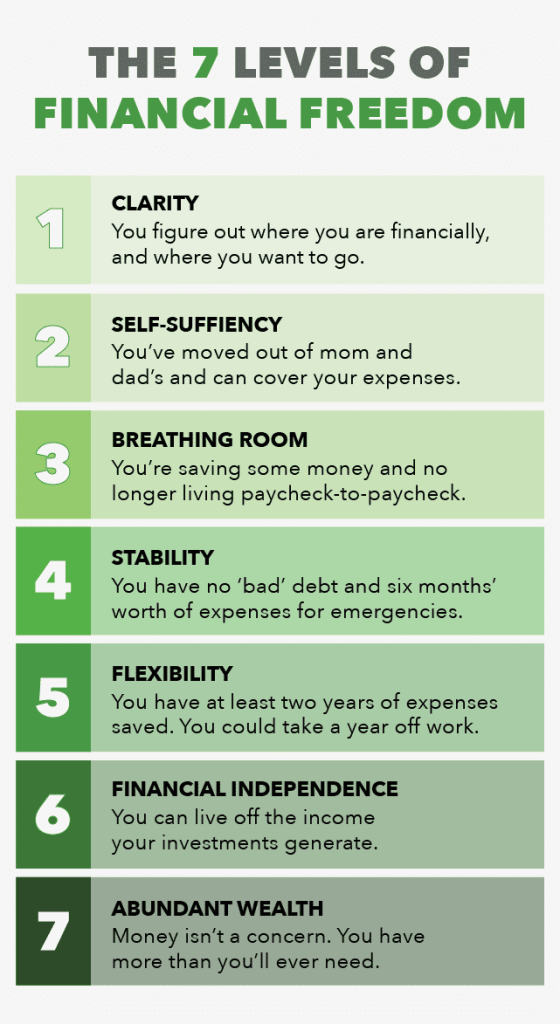
Passive income streams are a key component of building wealth and achieving financial independence. Passive income is money earned with little to no effort on the part of the individual, allowing them to generate income even when they’re not actively working. There are many ways to create passive income streams, such as investing in rental properties, dividend-paying stocks, peer-to-peer lending, and creating digital products or online courses.
Rental properties are a popular way to generate passive income, as landlords can earn rental income from tenants each month. By purchasing rental properties in high-demand areas and keeping them well-maintained, individuals can generate a steady stream of passive income while also building equity in the property. Rental properties can provide a source of cash flow that can help individuals achieve financial independence and build wealth over time.

Dividend-paying stocks are another common way to generate passive income. By investing in companies that pay dividends to shareholders, individuals can earn a regular income stream from their investments. Dividend payments can be reinvested to purchase more shares of stock or used to cover living expenses, providing individuals with a source of passive income that can help them achieve financial independence and build wealth over time.
Peer-to-peer lending is a relatively new way to generate passive income, as individuals can lend money to borrowers through online platforms and earn interest on their investments. By diversifying their peer-to-peer lending portfolio across different borrowers and loan types, individuals can earn a competitive return on their investments while also helping others access the funding they need. Peer-to-peer lending can be a lucrative way to generate passive income and build wealth over time.
Creating Multiple Income Streams for Financial Security

Creating multiple income streams is a smart strategy for achieving financial security and building wealth. By diversifying income sources, individuals can reduce their reliance on a single source of income and protect themselves against financial setbacks. There are many ways to create multiple income streams, such as starting a side hustle, freelancing, consulting, investing, and passive income streams.
Starting a side hustle is a popular way to generate extra income outside of a full-time job. Side hustles can range from selling handmade products online to offering freelance services or consulting. By leveraging their skills, passions, and expertise, individuals can create a profitable side business that generates additional income and helps them achieve financial security. Side hustles can also provide a creative outlet and a sense of fulfillment for individuals looking to explore new opportunities.

Freelancing is another way to create multiple income streams, as individuals can offer their services on a contract basis to clients and businesses. Freelancers can work in a variety of industries, such as writing, graphic design, web development, marketing, and consulting. By building a portfolio of clients and projects, freelancers can earn a steady income, expand their skills, and grow their business over time. Freelancing can provide individuals with flexibility, autonomy, and the opportunity to earn a higher income than traditional employment.
Consulting is a lucrative way to create multiple income streams, as individuals can offer their expertise and advice to businesses and organizations in exchange for a fee. Consultants typically have specialized knowledge and experience in a particular industry or field, allowing them to provide valuable insights and solutions to clients. By marketing their services, networking with potential clients, and delivering high-quality work, consultants can build a successful consulting business that generates income and helps them achieve financial security. Consulting can also provide individuals with the opportunity to work independently, set their own hours, and pursue their passions.
Investing for the Long-Term: Strategies for Building Wealth and Achieving Financial Independence
Investing for the long-term is a key strategy for building wealth and achieving financial independence. By investing in a diversified portfolio of assets, individuals can grow their wealth over time and achieve their financial goals. There are many investment strategies that individuals can use to build wealth and achieve financial independence, such as investing in stocks, bonds, real estate, and retirement accounts.
Stocks are a popular investment option for individuals looking to build wealth over the long-term. By purchasing shares of publicly traded companies, individuals can earn returns through capital appreciation and dividends. Stocks have historically provided higher returns than other asset classes, but they also come with higher risk. It’s important for individuals to research different companies, industries, and market trends before investing in stocks to make informed decisions and reduce risk.
Bonds are another investment option for individuals seeking to build wealth and achieve financial independence. Bonds are debt securities issued by governments and corporations that pay interest to investors over time. Bonds are generally considered lower-risk investments than stocks, as they provide a fixed income stream and preserve capital. By investing in bonds, individuals can earn a steady income and diversify their investment portfolio to reduce risk. It’s important to research different types of bonds, credit ratings, and interest rates before investing in bonds to make informed decisions and maximize returns.
Real estate is a popular investment option for individuals looking to build wealth and achieve financial independence. By purchasing rental properties, individuals can earn rental income and build equity in the property over time. Real estate investments can provide a steady income stream, tax benefits, and potential appreciation in property value. It’s important for individuals to research different real estate markets, property types, and rental income potential before investing in real estate to make informed decisions and maximize returns.
Retirement accounts are a key investment option for individuals planning for the long-term and seeking to achieve financial independence. By contributing to retirement accounts such as 401(k) plans, IRAs, and Roth IRAs, individuals can save for retirement, reduce taxes, and grow their wealth over time. Retirement accounts offer tax advantages, such as tax-deferred growth, tax deductions, and tax-free withdrawals, that can help individuals build wealth and achieve financial independence. It’s important for individuals to contribute regularly to retirement accounts, diversify investments, and monitor performance to ensure they’re on track to achieve their retirement goals.
Managing Debt and Building Wealth: Strategies for Financial Success
Managing debt is a crucial aspect of building wealth and achieving financial independence. Debt can be a major obstacle to financial success, as it can hinder individuals’ ability to save, invest, and build wealth. By managing debt effectively and developing a plan to pay it off, individuals can improve their financial situation, reduce stress, and achieve their financial goals. There are many strategies that individuals can use to manage debt and build wealth, such as creating a debt payoff plan, consolidating debt, and prioritizing high-interest debt.
Creating a debt payoff plan is a smart strategy for managing debt and building wealth. By listing all debts, including balances, interest rates, and minimum payments, individuals can prioritize which debts to pay off first. One common approach is the debt snowball method, which involves paying off the smallest debt first while making minimum payments on all other debts. As each debt is paid off, individuals can roll the payment amount into the next debt, accelerating the debt payoff process and building momentum towards debt freedom. By staying disciplined and focused on their debt payoff plan, individuals can reduce debt, save money on interest, and improve their financial situation over time.
Consolidating debt is another strategy for managing debt and building wealth. Debt consolidation involves combining multiple debts into a single loan or credit card with a lower interest rate and more favorable terms. By consolidating debt, individuals can simplify their finances, reduce monthly payments, and save money on interest. Debt consolidation can help individuals pay off debt faster, improve their credit score, and achieve financial independence. It’s important for individuals to research different debt consolidation options, compare interest rates and fees, and choose a reputable lender to ensure they’re getting the best deal.
Prioritizing high-interest debt is a key strategy for managing debt and building wealth. High-interest debt, such as credit card debt, can quickly accumulate and become a financial burden for individuals. By paying off high-interest debt first, individuals can save money on interest, reduce debt faster, and improve their financial situation. It’s important for individuals to make more than the minimum payment on high-interest debt, allocate extra funds towards paying off debt, and avoid accumulating new debt to achieve financial independence. By focusing on paying off high-interest debt, individuals can build wealth, improve their credit score, and achieve their financial goals over time.
The Power of Financial Discipline and Continuous Growth
Achieving financial independence and building lasting wealth requires more than just financial knowledge—it demands discipline, consistency, and a commitment to continuous growth. Financial discipline means developing healthy money habits such as saving regularly, living within your means, avoiding impulsive spending, and staying committed to your financial goals even when challenges arise.
Continuous growth, on the other hand, comes from investing in yourself—expanding your financial literacy, improving your skills, and staying updated with evolving market trends. Successful wealth builders understand that financial education never stops. They adapt to changes in the economy, learn new investment strategies, and seek ways to optimize their income and assets.
By combining discipline with continuous learning, individuals can make smarter financial decisions, navigate uncertainty, and build a resilient foundation for long-term prosperity. The path to wealth is not about shortcuts—it’s about making intentional choices that align with your goals and values.
Conclusion: Building a Strong Foundation for Financial Independence
Financial independence is not an overnight achievement—it’s a journey built on consistent effort, smart planning, and lifelong learning. Through effective financial management, strategic investing, debt control, and the creation of multiple income streams, anyone can build a strong foundation for lasting wealth and security.
Smart financial planning empowers you to take control of your future, while investing wisely and managing risk ensures your money continues to grow. Combining these strategies with a mindset of discipline, patience, and education will position you to achieve not just financial success—but true independence and peace of mind.
Ultimately, financial independence is more than having enough money—it’s the freedom to make choices, pursue your passions, and live life on your own terms. The best time to start building your financial future is today.
FAQs
Q1: How can I start my journey toward financial independence if I have a limited income?
A1: Start by creating a realistic budget and committing to consistent savings, no matter how small the amount. Focus on eliminating unnecessary expenses, paying down high-interest debt, and building an emergency fund. Once your financial foundation is stable, begin investing gradually in low-cost options like index funds or mutual funds. The key is consistency—small, steady actions over time create powerful results.
Q2: What is the best way to balance saving, investing, and debt repayment?
A2: The ideal balance depends on your personal situation. A good approach is to maintain an emergency fund first, then allocate income in a 50/30/20 ratio—50% for essentials, 30% for wants, and 20% for savings and debt repayment. Prioritize high-interest debt while investing a small, consistent portion of your income to benefit from compound growth.
Q3: How can I protect my wealth once I start building it?
A3: Protecting your wealth involves diversifying your investments, having proper insurance coverage, and creating an estate plan. Avoid putting all your money into one asset type, and ensure you have health, property, and life insurance as safeguards. An up-to-date will or trust also ensures that your assets are protected and distributed according to your wishes.
Q4: What habits do financially successful people have in common?
A4: Financially successful people practice discipline, continuous learning, and goal-setting. They live below their means, invest consistently, avoid impulsive spending, and regularly review their financial progress. They also embrace a growth mindset—seeing every financial challenge as a learning opportunity—and remain committed to improving their financial literacy throughout life.