Patient-Centered Care: Putting Patients First
Understanding Patient-Centered Care
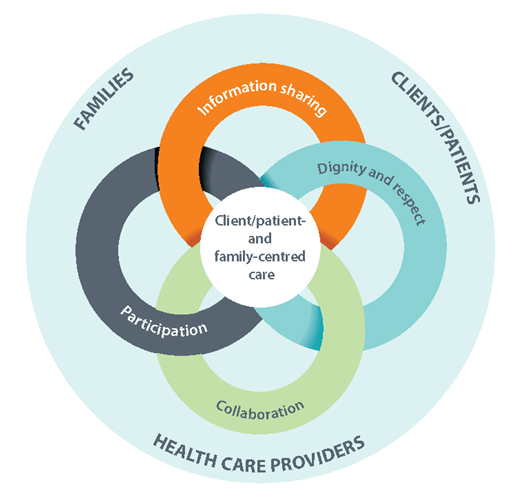
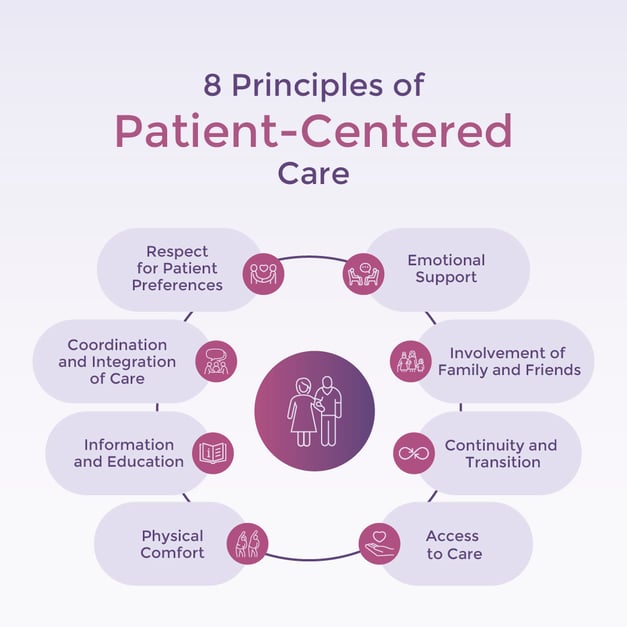
Patient-centered care is a healthcare approach that prioritizes the needs and preferences of patients. Instead of focusing solely on the medical aspect of treatment, patient-centered care takes into account the whole person, including their emotional, social, and cultural needs. This approach values the input of patients and encourages shared decision-making between patients and healthcare providers. By putting the patient at the center of their care, healthcare providers can improve patient outcomes and satisfaction.
The Benefits of Patient-Centered Care
There are numerous benefits to adopting a patient-centered care approach. Patients who feel heard and respected are more likely to adhere to their treatment plans and have better health outcomes. Additionally, patient-centered care can improve patient satisfaction, leading to higher retention rates and positive word-of-mouth referrals. Healthcare providers also benefit from patient-centered care by developing stronger relationships with their patients and gaining a deeper understanding of their needs and preferences.
Implementing Patient-Centered Care in Practice

To implement patient-centered care in practice, healthcare providers must first establish a strong foundation of communication and trust with their patients. This involves actively listening to patients, respecting their autonomy, and involving them in decision-making processes. Providers should also take the time to understand the unique needs and preferences of each patient and tailor their care plans accordingly. By incorporating patient feedback and continuously striving for improvement, healthcare providers can create a truly patient-centered care environment.
Empowering Patients Through Education
Education is a key component of patient-centered care. Empowering patients with knowledge about their health conditions, treatment options, and self-care strategies allows them to take an active role in their own care. Healthcare providers can provide resources such as educational materials, workshops, and online tools to help patients make informed decisions about their health. By fostering a culture of patient empowerment, providers can help patients become partners in their own care and improve overall health outcomes.
Creating a Supportive Environment for Patients
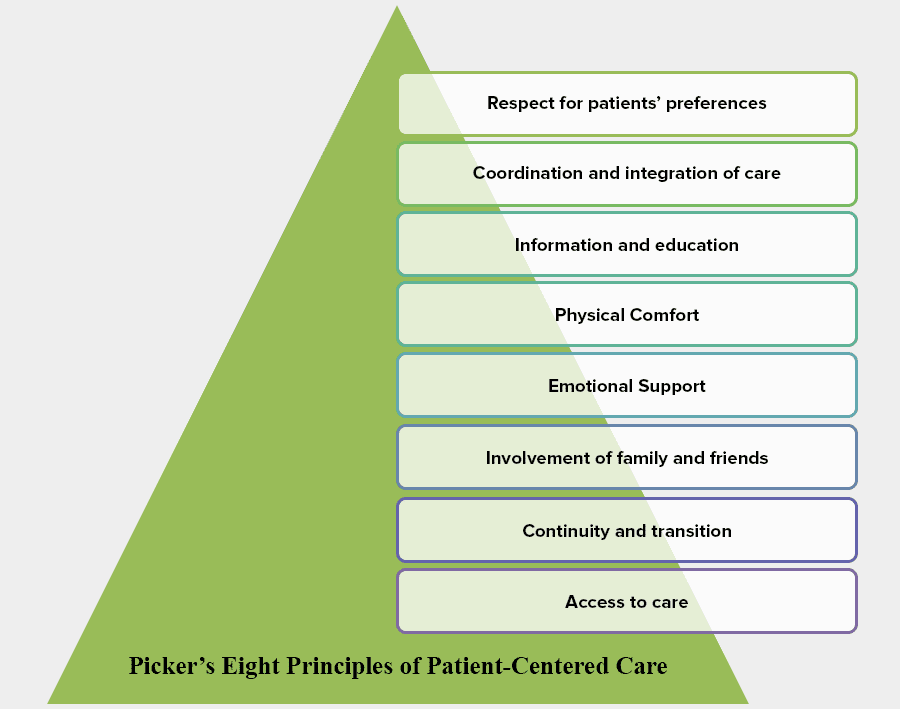
In a patient-centered care setting, it is important to create a supportive environment that promotes patient comfort and well-being. This includes ensuring that patients feel heard, respected, and valued by their healthcare providers. Providers should also consider factors such as cultural sensitivity, accessibility, and convenience when designing care plans for patients. By fostering a collaborative and inclusive environment, healthcare providers can help patients feel more at ease and confident in their care.
Building Trust Through Transparency
Transparency is essential in patient-centered care to build trust between patients and healthcare providers. Providers should be open and honest with patients about their diagnoses, treatment options, and potential outcomes. By providing clear and accurate information, patients can make informed decisions about their care and feel confident in their provider’s expertise. Trust is a key aspect of the patient-provider relationship, and transparency is crucial for fostering trust and promoting positive health outcomes.
Measuring Success in Patient-Centered Care
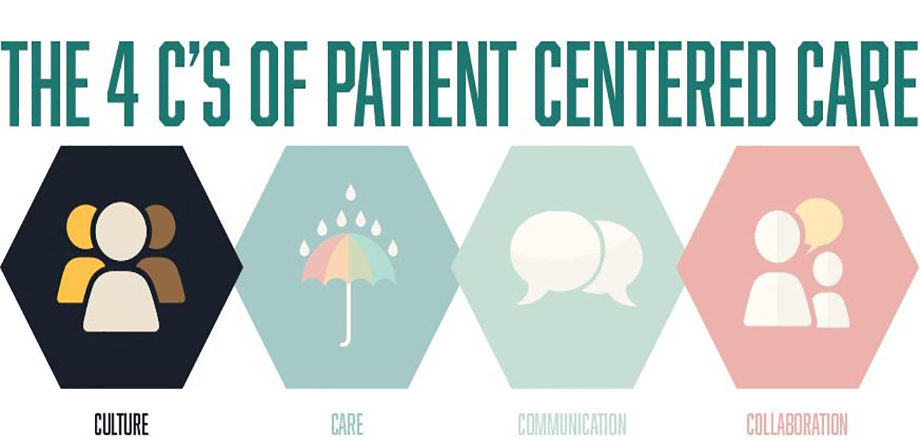
Measuring success in patient-centered care involves assessing both patient outcomes and patient satisfaction. Healthcare providers can use metrics such as patient-reported outcomes, patient experience surveys, and adherence rates to evaluate the effectiveness of their patient-centered care initiatives. By tracking these metrics over time and making adjustments as needed, providers can continuously improve their patient-centered care practices and ensure that patients are receiving the highest quality of care.
Conclusion
Patient-centered care is a holistic approach to healthcare that prioritizes the needs and preferences of patients. By putting the patient at the center of their care, healthcare providers can improve patient outcomes, satisfaction, and overall quality of care. Through effective communication, education, and collaboration, providers can create a supportive and empowering environment for patients to actively participate in their own care. Patient-centered care is not just a philosophy, but a way of practice that can transform the healthcare experience for both patients and providers.