1. Set clear financial goals
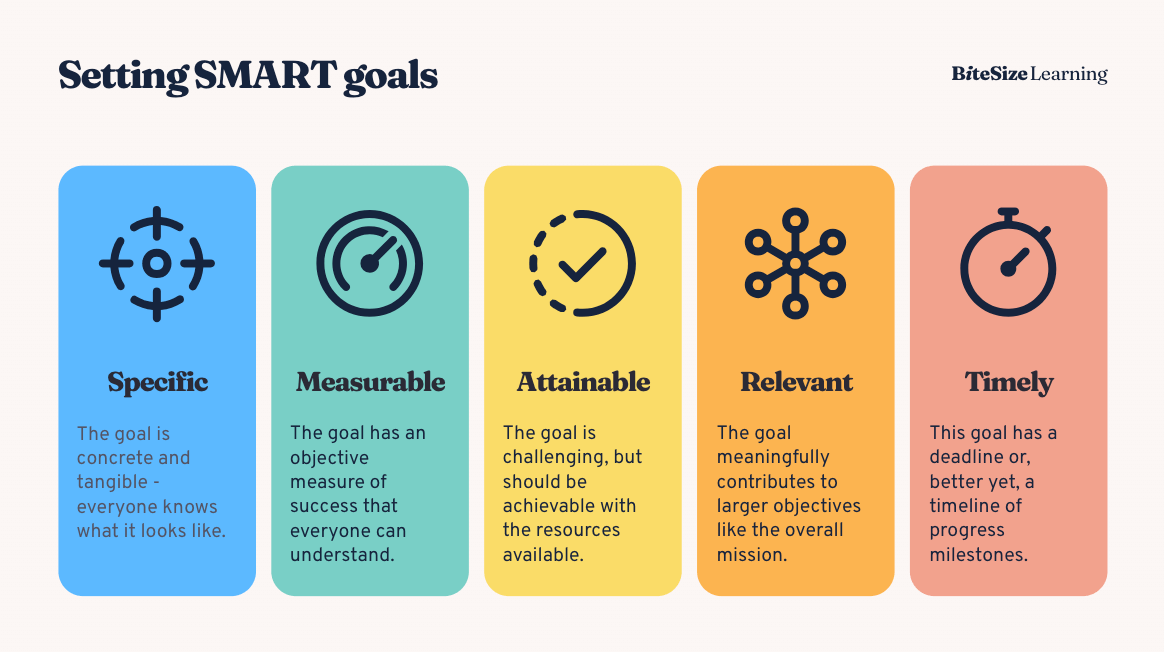
Setting clear financial goals is the first step towards achieving financial independence. Without a clear vision of where you want to be financially, it can be challenging to make the right decisions and take the necessary steps to get there. Start by defining what financial independence means to you and set specific, measurable, achievable, relevant, and time-bound goals to work towards.
Once you have your goals in place, break them down into smaller, actionable steps. This will help you stay motivated and focused on achieving your financial objectives. It’s essential to regularly review and adjust your goals as needed to ensure you are on track to financial independence.

Additionally, consider seeking the help of a financial advisor to assist you in setting realistic goals and creating a personalized financial plan tailored to your unique circumstances and aspirations.
2. Create a budget and stick to it
Creating a budget is crucial for achieving financial independence. A budget helps you track your income and expenses, identify areas where you can cut back or save more, and stay disciplined with your spending habits. Start by listing all your sources of income and expenses, including fixed costs like rent or mortgage payments, utilities, groceries, and discretionary spending like dining out or shopping.

Once you have a clear picture of your financial inflows and outflows, allocate your income to different categories based on your priorities and goals. Make sure to set aside a portion of your income for savings and investments to help you build wealth over time. Use budgeting tools or apps to help you track your spending and stay within your financial limits.
Sticking to a budget may require some discipline and sacrifice, but the long-term benefits of achieving financial independence will outweigh any short-term discomfort.
3. Eliminate debt and avoid unnecessary borrowing

Debt can be a significant obstacle to achieving financial independence. High-interest debt, such as credit card debt or personal loans, can quickly spiral out of control and eat into your income. To achieve financial independence, focus on paying off your debt as quickly as possible.
Start by listing all your debts, including the outstanding balance, interest rate, and minimum monthly payment. Consider using the debt snowball or debt avalanche method to prioritize paying off your debts in a strategic manner. Cut back on unnecessary expenses and redirect the savings towards debt repayment to accelerate the process.

Avoid taking on new debt unless absolutely necessary. Before borrowing money, consider if the purchase is essential and if you can afford to repay the debt comfortably. By eliminating debt and avoiding unnecessary borrowing, you can free up more of your income to invest and build wealth for the future.
4. Build an emergency fund
Having an emergency fund is essential for achieving financial independence and peace of mind. An emergency fund acts as a financial cushion to cover unexpected expenses, such as medical emergencies, car repairs, or job loss, without derailing your financial goals.
Start by setting a realistic target for your emergency fund, typically three to six months’ worth of living expenses. Save a portion of your income each month towards building your emergency fund until you reach your target amount. Keep your emergency fund in a liquid and easily accessible account, such as a high-yield savings account or money market fund, so you can access the funds quickly when needed.
Having an emergency fund in place can prevent you from dipping into your savings or going into debt during challenging times, allowing you to stay on track towards financial independence.
5. Invest for the future
Investing is a key component of achieving financial independence and building wealth over time. By investing your money wisely, you can grow your wealth and generate passive income streams that can support you in retirement and beyond.
Start by educating yourself about different investment options, such as stocks, bonds, mutual funds, real estate, or retirement accounts like IRAs or 401(k)s. Consider seeking the advice of a financial advisor to help you develop an investment strategy that aligns with your financial goals, risk tolerance, and time horizon.
Diversify your investment portfolio to spread risk and maximize returns. Regularly review and adjust your investments to ensure they remain aligned with your financial objectives and market conditions. Remember that investing is a long-term game, and patience and discipline are key to achieving financial independence through smart investment choices.
6. Increase your income streams
Increasing your income streams is another smart step towards achieving financial independence. By diversifying your sources of income, you can reduce your reliance on a single paycheck and create more financial stability and security for yourself and your family.
Consider exploring opportunities to earn extra income, such as freelancing, consulting, starting a side business, or investing in rental properties. Leverage your skills, expertise, and passions to generate additional income streams that complement your primary source of income.
Focus on building passive income streams that can generate money with minimal ongoing effort, such as dividends from investments, rental income, or royalties from creative works. By increasing your income streams, you can accelerate your journey towards financial independence and enjoy greater financial flexibility and freedom.
7. Continuously educate yourself about personal finance
Financial literacy is a powerful tool for achieving financial independence. By continuously educating yourself about personal finance, investing, budgeting, and wealth-building strategies, you can make informed decisions that align with your financial goals and priorities.
Take advantage of online resources, books, courses, seminars, and workshops to expand your knowledge and skills in personal finance. Stay updated on current market trends, economic developments, and regulatory changes that may impact your financial situation.
Consider joining a financial community or networking with like-minded individuals who share your financial goals and can provide support and guidance along your journey towards financial independence. By investing in your financial education, you can empower yourself to make smart financial decisions and secure a prosperous future for yourself and your loved ones.
8. Stay disciplined and focused on your goals
Achieving financial independence requires discipline, perseverance, and a long-term perspective. Stay focused on your goals and remind yourself of the reasons why you are pursuing financial independence. Keep track of your progress, celebrate small wins along the way, and stay motivated to overcome any setbacks or challenges that may arise.
Develop healthy financial habits, such as saving consistently, living below your means, and avoiding impulsive spending. Stay disciplined with your budget, debt repayment, and investment strategies to stay on course towards financial independence.
Remember that achieving financial independence is a journey, not a destination. Be patient with yourself, stay committed to your goals, and trust in your ability to create the financial future you desire. By following these smart steps and staying disciplined in your financial decisions, you can achieve true financial independence and enjoy a life of financial security and abundance.
Conclusion
Financial independence is within reach for anyone who is willing to take smart steps towards achieving their goals. By setting clear financial goals, creating a budget, eliminating debt, building an emergency fund, investing for the future, increasing income streams, educating yourself about personal finance, and staying disciplined and focused on your objectives, you can create a path to financial freedom and security. Remember that achieving financial independence is a journey that requires patience, dedication, and ongoing commitment. Stay focused on your goals, make informed financial decisions, and enjoy the fruits of your labor as you build wealth and secure your financial future. With the right mindset and actions, you can achieve financial independence and live the life you’ve always dreamed of.
FAQ
Q: How long does it take to achieve financial independence?
A: The time it takes to achieve financial independence varies depending on individual circumstances, such as income level, expenses, debt, savings rate, and investment returns. Some people may achieve financial independence in a few years, while others may take decades to reach their goals. It’s essential to set realistic expectations, stay focused on your objectives, and be patient with the process of building wealth and securing your financial future.
Q: What are some common pitfalls to avoid on the path to financial independence?
A: Some common pitfalls to avoid on the path to financial independence include overspending, taking on excessive debt, neglecting to save for emergencies, failing to invest for the future, and lacking financial discipline. It’s crucial to prioritize your financial goals, make informed decisions, and stay vigilant about your spending, saving, and investing habits to avoid setbacks and stay on track towards financial independence.
Q: How can I stay motivated and disciplined on my journey towards financial independence?
A: Staying motivated and disciplined on your journey towards financial independence requires setting clear goals, tracking your progress, celebrating small wins, and staying focused on the reasons why you are pursuing financial freedom. Surround yourself with supportive individuals, seek inspiration from success stories, and remind yourself of the benefits of achieving financial independence, such as peace of mind, financial security, and the ability to pursue your passions and dreams. By staying committed to your goals and maintaining a positive mindset, you can overcome challenges and achieve true financial independence in the long run.