Enhancing Patient Safety with Cognitive Systems Engineering
Understanding the Importance of Patient Safety
Patient safety is a critical aspect of healthcare that encompasses the prevention of errors, injuries, accidents, infections, and other types of harm to patients. It is essential for healthcare providers to prioritize patient safety to ensure the well-being and health of their patients. By implementing effective strategies and utilizing innovative technologies, healthcare organizations can significantly improve patient safety outcomes.
One of the key factors that contribute to patient safety is effective communication between healthcare providers, patients, and their families. Clear and concise communication can help prevent misunderstandings, errors, and adverse events. Healthcare organizations should focus on fostering a culture of open communication and transparency to enhance patient safety.

Additionally, healthcare providers should prioritize evidence-based practices and guidelines to ensure the delivery of high-quality care that meets the specific needs of each patient. By staying current with the latest research and best practices, healthcare organizations can reduce the risk of errors and adverse events that may compromise patient safety.
The Role of Cognitive Systems Engineering
Cognitive Systems Engineering (CSE) is a multidisciplinary approach that focuses on understanding how humans interact with complex systems, such as healthcare environments, to design systems that support human performance and decision-making. By leveraging principles from cognitive psychology, human factors engineering, and computer science, CSE aims to create systems that are more intuitive, efficient, and conducive to safe and effective performance.

In the context of healthcare, CSE can help healthcare providers and organizations design systems and processes that support patient safety. For example, CSE principles can be used to redesign electronic health record systems to make them more user-friendly and intuitive, reducing the risk of errors and improving efficiency. By understanding the cognitive processes involved in healthcare tasks, CSE can help identify potential sources of error and develop strategies to mitigate them.
By integrating CSE principles into healthcare systems and processes, healthcare organizations can enhance patient safety outcomes and improve the overall quality of care. By designing systems that are more human-centered and intuitive, healthcare providers can focus more on delivering high-quality care to their patients, ultimately leading to better patient outcomes.
Implementing CSE in Healthcare Organizations

Implementing CSE in healthcare organizations requires a collaborative effort between healthcare providers, administrators, and technology experts. It is essential for healthcare organizations to invest in training and education programs that teach healthcare providers about the principles of CSE and how they can be applied to improve patient safety.
One way that healthcare organizations can implement CSE is by conducting usability testing of healthcare systems and processes in real-world settings. By observing how healthcare providers interact with these systems and identifying areas for improvement, organizations can make data-driven decisions to enhance the usability and effectiveness of their systems.
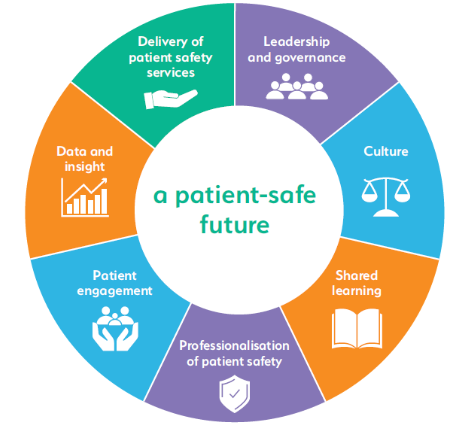
Furthermore, healthcare organizations can leverage feedback from patients and families to identify opportunities for improvement and incorporate their perspectives into the design of healthcare systems. By involving patients in the design process, healthcare organizations can ensure that their systems are patient-centered and meet the unique needs and preferences of their patient population.
Testimonials
I have seen firsthand the impact that implementing CSE principles can have on patient safety in healthcare organizations. By redesigning our electronic health record system to make it more intuitive and user-friendly, we were able to reduce the risk of errors and improve efficiency in our daily workflow. CSE has truly transformed the way we deliver care to our patients. – Dr. Smith, Chief Medical Officer
As a patient, I appreciate the emphasis that healthcare organizations are placing on patient safety through the implementation of CSE principles. I have noticed a significant improvement in the quality of care I receive, and I feel more confident in the healthcare system knowing that patient safety is a top priority. – Jane Doe, Patient
Conclusion
In conclusion, patient safety is a critical aspect of healthcare that requires the collaboration of healthcare providers, organizations, and technology experts to ensure the well-being and health of patients. By implementing Cognitive Systems Engineering (CSE) principles in healthcare systems and processes, organizations can design systems that are more human-centered, intuitive, and conducive to safe and effective performance. By prioritizing patient safety and leveraging innovative technologies, healthcare organizations can significantly improve patient outcomes and enhance the overall quality of care.