Understanding Healthcare Equity
Healthcare equity is the concept of ensuring that everyone has fair and equal access to healthcare services, regardless of their race, ethnicity, income, or other factors. It is about addressing disparities in healthcare outcomes and ensuring that all individuals have the opportunity to achieve optimal health. Healthcare equity is an important goal for society as a whole, as it can lead to improved health outcomes, reduced healthcare costs, and a stronger, more equitable healthcare system.
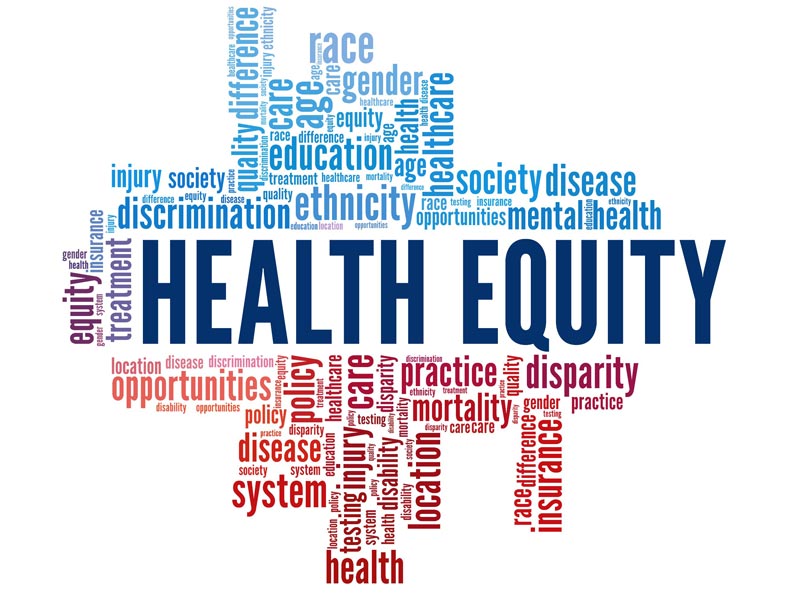
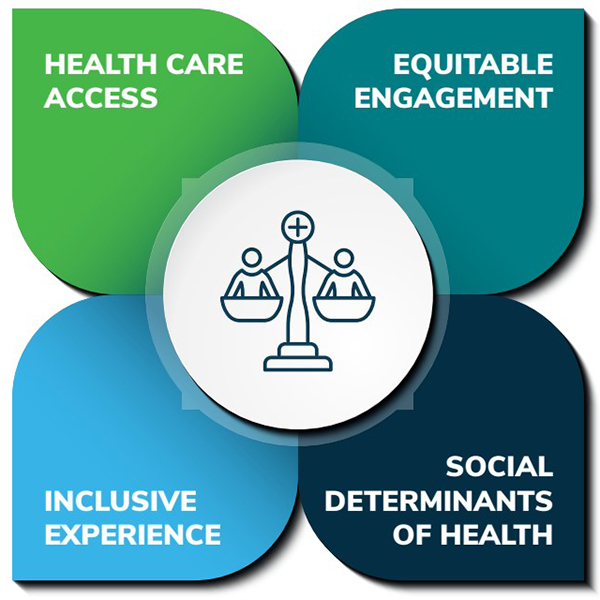
One of the key aspects of healthcare equity is addressing social determinants of health, such as poverty, lack of education, and discrimination. These factors can have a significant impact on an individual’s health and access to healthcare services. By addressing these social determinants of health, we can help to create a more equitable healthcare system that benefits everyone.
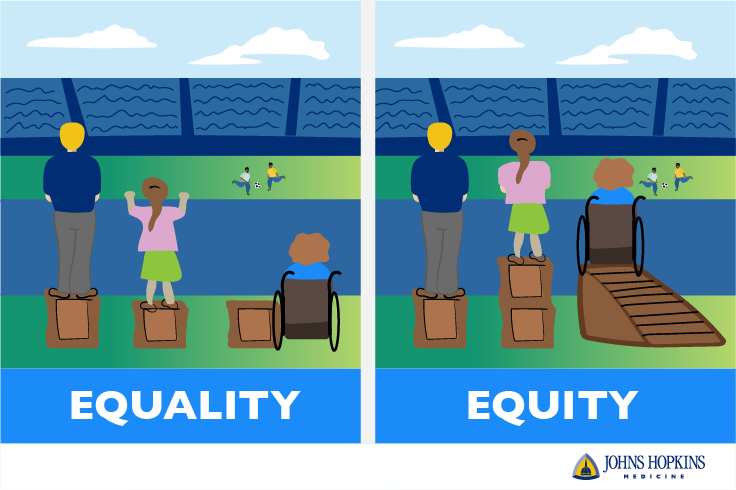
Another important aspect of healthcare equity is ensuring that healthcare services are culturally competent and responsive to the needs of diverse populations. This means taking into account the unique cultural, linguistic, and social needs of patients and providing care that is respectful and inclusive. By ensuring that healthcare services are culturally competent, we can help to reduce disparities in healthcare outcomes and improve the overall quality of care for all individuals.
In order to achieve healthcare equity, it is important for healthcare providers, policymakers, and community organizations to work together to address the root causes of healthcare disparities and create a more equitable healthcare system. By working collaboratively and proactively, we can help to ensure that everyone has access to high-quality, affordable healthcare services and the opportunity to achieve optimal health.
The Impact of Healthcare Disparities
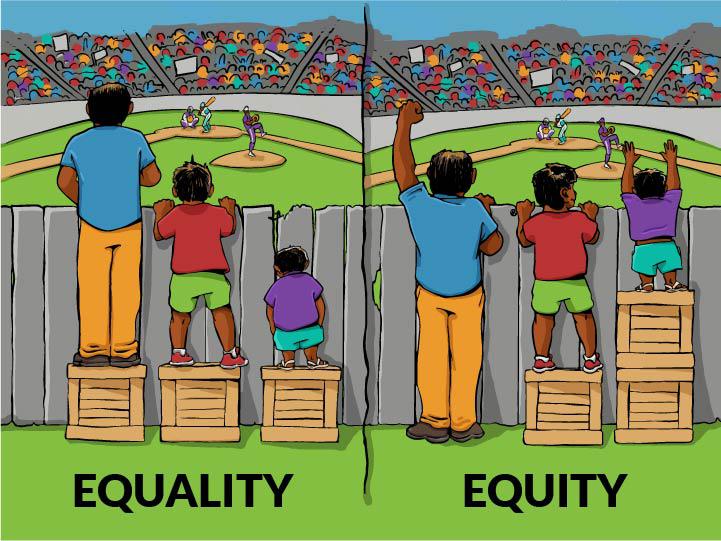
Healthcare disparities, or differences in healthcare outcomes based on factors such as race, ethnicity, income, and geography, have a significant impact on individuals and communities. These disparities can lead to higher rates of chronic disease, lower life expectancy, and reduced quality of life for those who are most affected. Healthcare disparities can also have economic implications, as they can lead to higher healthcare costs and reduced productivity in the workforce.
One of the key consequences of healthcare disparities is the unequal distribution of healthcare resources and services. This can lead to individuals in underserved communities having limited access to quality healthcare services, resulting in poorer health outcomes and higher rates of preventable diseases. By addressing healthcare disparities and promoting healthcare equity, we can help to ensure that all individuals have access to the care they need to stay healthy and thrive.

Healthcare disparities can also have a negative impact on the overall health of society as a whole. When certain populations are disproportionately affected by healthcare disparities, it can lead to increased healthcare costs, reduced workforce productivity, and greater strain on the healthcare system. By addressing healthcare disparities and promoting healthcare equity, we can help to create a healthier, more resilient society that benefits everyone.
It is important for healthcare providers, policymakers, and community organizations to work together to address healthcare disparities and promote healthcare equity. By working collaboratively and proactively, we can help to reduce healthcare disparities, improve healthcare outcomes, and create a more equitable healthcare system that benefits all individuals and communities.
Strategies for Achieving Healthcare Equity
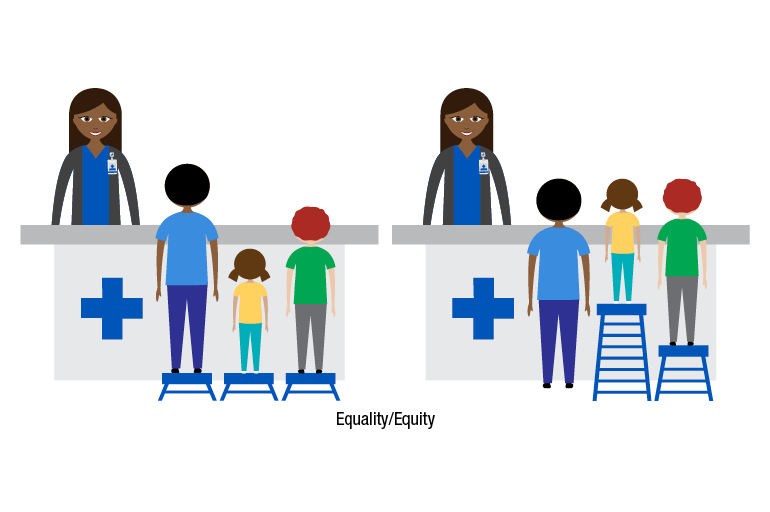
There are a number of strategies that can be implemented to help achieve healthcare equity and reduce healthcare disparities. One key strategy is to increase access to healthcare services for underserved populations, including those who are uninsured or underinsured. This can be achieved through initiatives such as expanding Medicaid coverage, increasing funding for community health centers, and implementing programs to provide affordable healthcare services to low-income individuals.
Another important strategy for achieving healthcare equity is to address social determinants of health that contribute to healthcare disparities. This can include initiatives such as increasing access to affordable housing, improving education and job training opportunities, and addressing food insecurity. By addressing these social determinants of health, we can help to create a more equitable healthcare system that benefits everyone.
In addition, healthcare providers can play a key role in promoting healthcare equity by providing culturally competent care and addressing the unique needs of diverse populations. This can include initiatives such as offering language interpretation services, hiring diverse healthcare staff, and providing training on cultural competency. By taking these steps, healthcare providers can help to reduce healthcare disparities and improve healthcare outcomes for all individuals.
Overall, achieving healthcare equity requires a comprehensive and collaborative approach that involves healthcare providers, policymakers, community organizations, and individuals working together to address the root causes of healthcare disparities and promote a more equitable healthcare system. By implementing strategies to increase access to healthcare services, address social determinants of health, and provide culturally competent care, we can help to create a healthier, more equitable society for all.
Testimonials
I have seen firsthand the impact that healthcare disparities can have on individuals and communities. By working together to promote healthcare equity, we can help to ensure that everyone has access to the care they need to stay healthy and thrive. – Dr. Sarah Johnson, Family Physician
Addressing healthcare disparities is not just a moral imperative, it is also an economic necessity. By reducing healthcare disparities and promoting healthcare equity, we can create a more resilient and productive society that benefits everyone. – John Smith, Public Health Advocate
I have personally experienced the challenges of navigating the healthcare system as a low-income individual. By promoting healthcare equity and addressing social determinants of health, we can help to create a more equitable healthcare system that works for everyone. – Maria Rodriguez, Healthcare Consumer
Conclusion
In conclusion, healthcare equity is a crucial goal for society as a whole, as it can lead to improved health outcomes, reduced healthcare costs, and a stronger, more equitable healthcare system. By addressing healthcare disparities, promoting healthcare equity, and working collaboratively to address the root causes of healthcare disparities, we can help to create a healthier, more equitable society for all individuals and communities. It is important for healthcare providers, policymakers, and community organizations to work together to implement strategies to increase access to healthcare services, address social determinants of health, and provide culturally competent care. By taking these steps, we can help to achieve healthcare equity and ensure that everyone has the opportunity to achieve optimal health.