1. Understand Your Income and Expenses
Budgeting for beginners starts with understanding your income and expenses. Start by listing all your sources of income, including your salary, side hustle earnings, and any other money that comes in regularly. Next, list all your expenses, including bills, groceries, rent or mortgage, and any other regular payments. This will give you a clear picture of how much money you have coming in and going out each month.
Once you have a clear understanding of your income and expenses, you can begin to create a budget that aligns with your financial goals. This will help you see where your money is going and where you can make adjustments to save more or spend less. Understanding your income and expenses is the first step to taking control of your finances and reaching your financial goals.

Remember, budgeting is not about restricting yourself or depriving yourself of the things you enjoy. It’s about being intentional with your money and making sure you’re spending it in a way that aligns with your values and goals. By understanding your income and expenses, you can make informed decisions about how to manage your money effectively.
2. Set Financial Goals
Setting financial goals is an essential part of budgeting for beginners. Whether you want to save for a big purchase, pay off debt, or build an emergency fund, having clear financial goals can help you stay motivated and focused on your budgeting efforts. Start by setting short-term, medium-term, and long-term financial goals that are specific, measurable, achievable, relevant, and time-bound.

Once you have set your financial goals, break them down into smaller, actionable steps that you can incorporate into your budget. For example, if your goal is to save $1,000 for an emergency fund, you could break it down into saving $83 per month for 12 months. By breaking your goals down into smaller steps, you can make them more achievable and track your progress along the way.
Setting financial goals can also help you prioritize your spending and make informed decisions about where to allocate your money. When you have clear goals in mind, it’s easier to resist impulse purchases and stay focused on what’s most important to you. By setting financial goals and incorporating them into your budget, you can take control of your finances and work towards a more secure financial future.
3. Track Your Spending
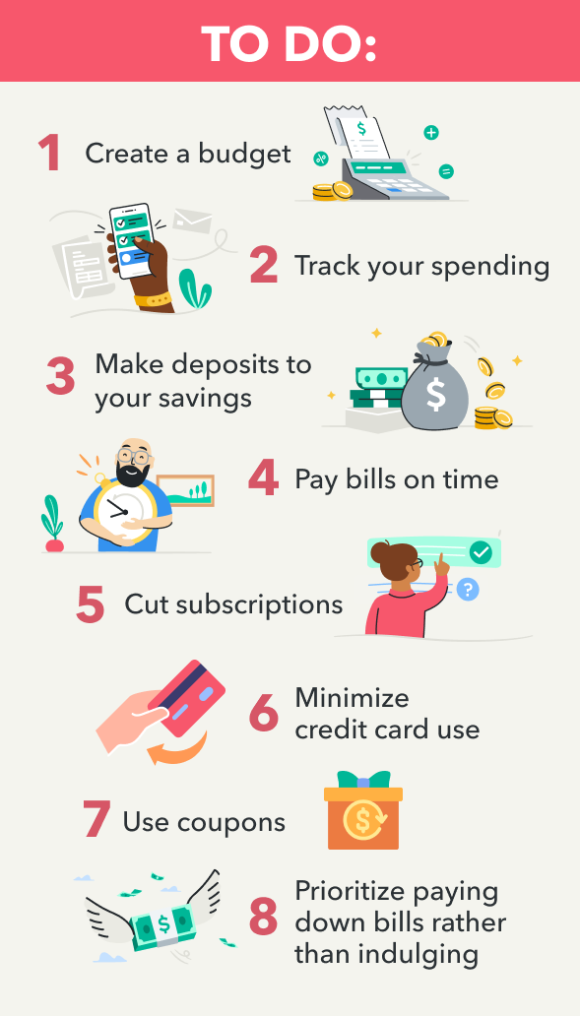
Tracking your spending is a crucial part of budgeting for beginners. By keeping tabs on where your money is going, you can identify areas where you may be overspending and make adjustments to stay on track with your budget. There are many tools and apps available that can help you track your spending, or you can simply use a notebook or spreadsheet to keep a record of your expenses.
To track your spending effectively, start by categorizing your expenses into different categories, such as groceries, transportation, entertainment, and dining out. This will help you see where your money is going and identify any areas where you may be overspending. Make sure to review your spending regularly and make adjustments to your budget as needed to stay on track with your financial goals.
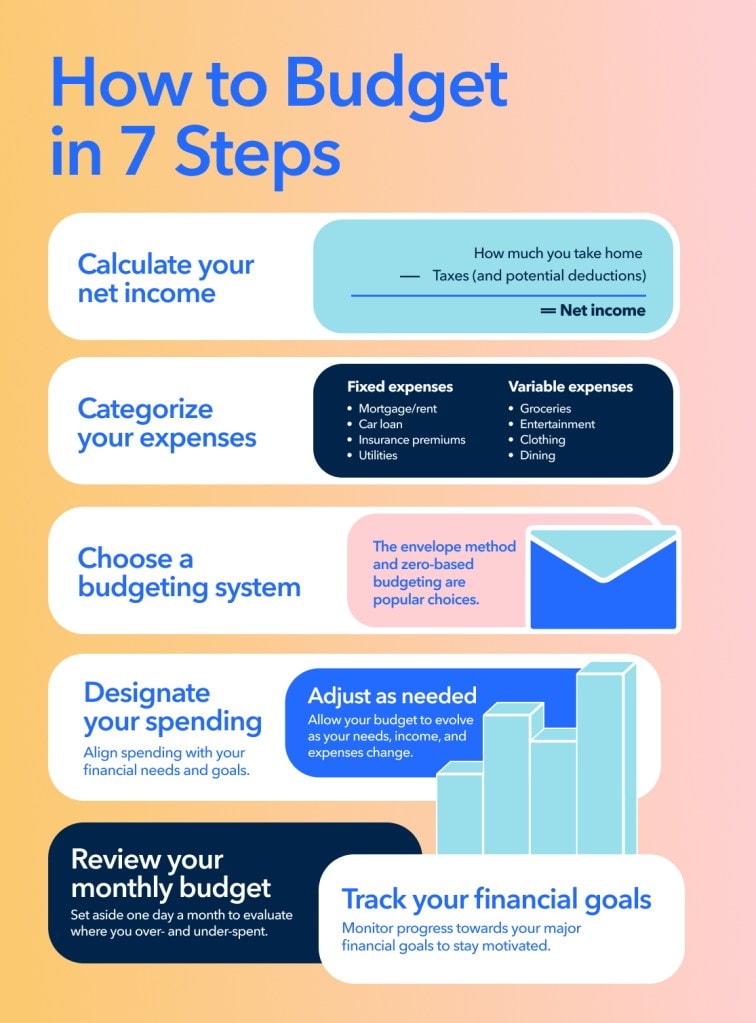
Tracking your spending can also help you become more mindful of your money habits and make more informed decisions about where to allocate your money. By knowing where your money is going, you can make adjustments to your budget and prioritize your spending in a way that aligns with your financial goals. Remember, tracking your spending is a powerful tool that can help you take control of your finances and reach your financial goals.
4. Create a Realistic Budget
Creating a realistic budget is essential for budgeting beginners. Your budget should reflect your income, expenses, and financial goals, and be tailored to your unique financial situation. Start by listing all your sources of income and expenses, and then allocate your money towards your financial goals, savings, and necessary expenses.

When creating your budget, make sure to be realistic about your spending habits and financial goals. Don’t set unrealistic targets for yourself or deprive yourself of the things you enjoy. Instead, aim to create a budget that aligns with your values and goals while also allowing for some flexibility and enjoyment. Remember, budgeting is about balance and making informed decisions about your money.
Once you have created a realistic budget, make sure to review it regularly and make adjustments as needed. Life changes, unexpected expenses arise, and priorities shift, so it’s essential to keep your budget flexible and adaptable. By creating a realistic budget and staying on top of your finances, you can take control of your money and work towards a more secure financial future.
5. Build an Emergency Fund
Building an emergency fund is an essential part of budgeting for beginners. An emergency fund is a sum of money set aside to cover unexpected expenses, such as medical bills, car repairs, or job loss. Having an emergency fund can provide a financial safety net and help you avoid going into debt when unexpected expenses arise.
To build an emergency fund, start by setting a savings goal that aligns with your financial situation and goals. Aim to save three to six months’ worth of living expenses in your emergency fund to provide a buffer in case of emergencies. You can start small by saving a small amount each month and gradually increasing your savings over time.
Building an emergency fund can give you peace of mind and financial security, knowing that you have a safety net to fall back on when unexpected expenses arise. By making regular contributions to your emergency fund and prioritizing it in your budget, you can build a financial cushion and protect yourself from financial hardship. Remember, building an emergency fund is a critical step towards financial stability and peace of mind.
6. Cut Unnecessary Expenses
Cutting unnecessary expenses is a key part of budgeting for beginners. By identifying areas where you may be overspending or making unnecessary purchases, you can free up more money to put towards your financial goals and priorities. Start by reviewing your spending habits and identifying any areas where you can make cuts.
To cut unnecessary expenses, start by looking at your discretionary spending, such as dining out, entertainment, and shopping. Consider ways to reduce these expenses, such as cooking at home more often, finding free or low-cost activities for entertainment, and avoiding impulse purchases. By making small changes to your spending habits, you can free up more money to put towards your financial goals.
Cutting unnecessary expenses can also help you become more mindful of your money habits and make more informed decisions about where to allocate your money. By focusing on what’s most important to you and cutting back on unnecessary expenses, you can prioritize your spending in a way that aligns with your values and goals. Remember, cutting unnecessary expenses is a powerful way to take control of your finances and reach your financial goals.
7. Automate Your Savings
Automating your savings is a helpful strategy for budgeting beginners. By setting up automatic transfers from your checking account to your savings account, you can make saving money a habit and ensure that you’re consistently putting money towards your financial goals. Automating your savings can help you stay on track with your budget and make saving money easier and more convenient.
To automate your savings, start by setting up recurring transfers from your checking account to your savings account on a regular basis. You can choose to transfer a fixed amount each month or a percentage of your income, depending on your financial goals and priorities. By automating your savings, you can make saving money a priority and ensure that you’re consistently putting money towards your financial goals.
Automating your savings can also help you build a financial cushion and reach your savings goals faster. By making saving money a habit and prioritizing it in your budget, you can work towards a more secure financial future and achieve your financial goals. Remember, automating your savings is a powerful tool that can help you take control of your finances and reach your financial goals.
8. Seek Professional Help
If you’re struggling to manage your finances or create an effective budget, seeking professional help can be a smart move. Financial advisors, credit counselors, or budgeting coaches can provide personalized guidance and help you build a plan that fits your goals and situation.
A professional can help you identify spending leaks, develop a debt repayment strategy, and create a savings plan tailored to your needs. They can also help you understand investment options and long-term financial planning.
Remember, asking for help doesn’t mean you’ve failed — it means you’re taking a proactive step toward financial stability. By getting expert advice, you can gain the confidence and knowledge needed to make smarter financial decisions and achieve your goals faster.
9. Review and Adjust Your Budget Regularly
Budgeting is not a one-time task — it’s an ongoing process that requires regular review and adjustment. As your income, expenses, or financial goals change, your budget should evolve too.
Set aside time each month to review your budget and evaluate your progress. Look for areas where you might be overspending or under-saving, and make adjustments as needed. If you get a raise or reduce a bill, consider increasing your savings contributions.
Regularly reviewing your budget keeps you in control of your money and helps you stay aligned with your financial goals. It ensures that your budget remains realistic, effective, and reflective of your current lifestyle.
10. Be Patient and Stay Consistent
Building strong financial habits and achieving your goals takes time. It’s important to be patient and consistent with your budgeting efforts. Even if progress feels slow, small steps taken consistently will lead to long-term success.
Avoid comparing your financial journey to others. Everyone’s situation is unique, and what matters most is staying committed to your own goals. Celebrate small milestones — whether it’s paying off a debt, sticking to your budget for a month, or saving your first emergency fund.
By staying patient, consistent, and focused, you’ll build lasting financial discipline that will support your success for years to come.
Conclusion
Budgeting is the foundation of financial success. It helps you understand where your money goes, make smarter spending decisions, and work toward your financial goals with confidence.
By following these 10 budgeting tips — from tracking your expenses, cutting unnecessary costs, automating savings, to reviewing your plan regularly — you can take full control of your finances. Remember, budgeting is not about restriction; it’s about empowerment. It gives you the freedom to spend intentionally, save purposefully, and build a secure financial future.
Start today, stay consistent, and you’ll soon see how small, smart financial choices can lead to lasting financial freedom.
FAQs: Budgeting for Beginners
Q1: How much of my income should go toward savings each month?
A common guideline is the 50/30/20 rule — spend 50% on needs, 30% on wants, and save at least 20%. If that’s not possible, start small (even 5–10%) and increase over time as your financial situation improves.
Q2: What should I do if I can’t stick to my budget?
Don’t be discouraged! Review where you went off track, adjust unrealistic goals, and identify triggers for overspending. Try using cash for certain categories or budgeting apps to stay accountable.
Q3: Should I pay off debt or save money first?
If your debt carries high interest rates (like credit cards), prioritize paying it off while maintaining a small emergency fund. Once your debt is manageable, shift your focus to saving more aggressively.
Q4: How can I stay motivated to keep budgeting long-term?
Set clear goals, such as saving for a vacation or building an emergency fund, and celebrate small wins. Tracking your progress visually — through charts or apps — can help you see how far you’ve come and keep you inspired.