Unlocking the Potential of Healthcare Development with Cognitive Systems Engineering
What is Cognitive Systems Engineering?
Cognitive Systems Engineering (CSE) is a field that focuses on designing systems and technologies that leverage human intelligence and cognitive abilities to enhance performance and decision-making. In the context of healthcare development, CSE seeks to create tools and systems that can assist healthcare professionals in their daily tasks, improve patient outcomes, and streamline processes. By understanding how humans think, reason, and solve problems, CSE aims to design technologies that complement and enhance human capabilities rather than replace them.
One of the key principles of CSE is the idea of joint cognitive systems, which recognizes that humans and technology work together as a unified system to accomplish tasks. This approach emphasizes the importance of designing technologies that are intuitive, easy to use, and seamlessly integrate with existing workflows. By studying how humans interact with technology in complex environments like healthcare settings, CSE researchers can identify opportunities to improve system design and optimize performance.
The Role of CSE in Healthcare Development

In the rapidly evolving field of healthcare, the need for innovative solutions to improve patient care, reduce medical errors, and increase efficiency has never been greater. Cognitive Systems Engineering offers a unique perspective on how to design and implement technologies that can address these challenges. By understanding the cognitive processes involved in healthcare decision-making, CSE can help developers create tools that support clinical reasoning, enhance communication between healthcare providers, and improve the overall quality of care.
One area where CSE has shown great promise is in the development of clinical decision support systems. These systems use algorithms and artificial intelligence to analyze patient data, provide diagnostic recommendations, and assist healthcare providers in making informed decisions. By incorporating principles of human cognition and decision-making into the design of these systems, developers can create tools that are more user-friendly, accurate, and reliable.
Benefits of CSE in Healthcare Development
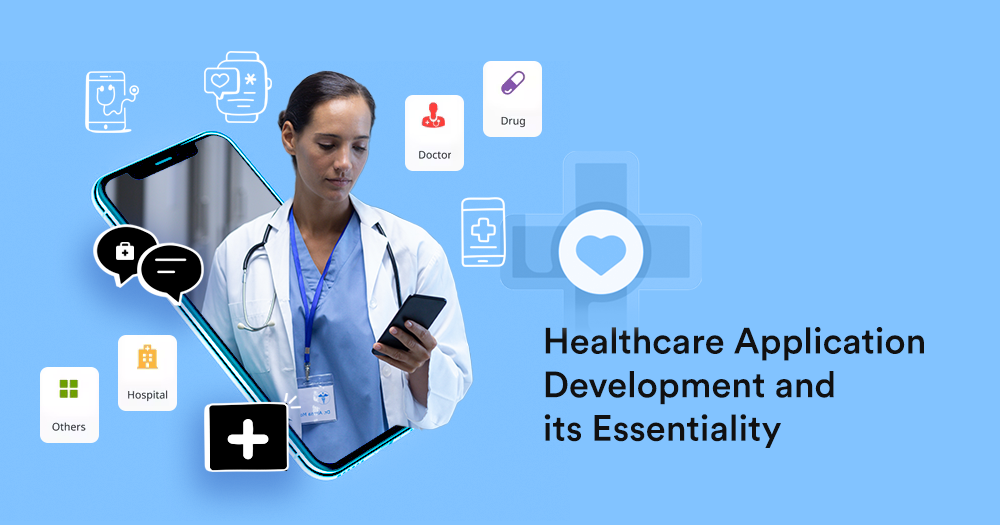
The integration of Cognitive Systems Engineering principles into healthcare development offers a wide range of benefits for patients, healthcare providers, and organizations. By designing technologies that are tailored to the cognitive needs and capabilities of users, developers can create tools that are more intuitive, user-friendly, and effective. This can lead to improved patient outcomes, reduced medical errors, and increased efficiency in healthcare delivery.
One of the key advantages of using CSE in healthcare development is the ability to create systems that adapt to the needs of individual users. By studying how healthcare professionals interact with technology in real-world settings, developers can identify opportunities to customize tools and interfaces to better meet the needs of different users. This can lead to increased adoption of new technologies, improved user satisfaction, and ultimately, better patient care.
Challenges and Considerations in Implementing CSE in Healthcare

While the potential benefits of Cognitive Systems Engineering in healthcare development are significant, there are also challenges and considerations that developers must address when implementing CSE principles. One of the key challenges is ensuring that technologies are designed in a way that respects the unique cognitive abilities and limitations of users. This requires a deep understanding of human cognition, behavior, and decision-making processes, as well as ongoing user feedback and testing.
Another consideration is the need to balance the benefits of automation and decision support with the potential risks of over-reliance on technology. While CSE can help healthcare providers make more informed decisions and improve the quality of care, it is important to ensure that technologies are used as tools to support, rather than replace, human expertise and judgment. This requires careful design, training, and monitoring to ensure that technologies are used effectively and safely in healthcare settings.
Case Studies: Real-World Applications of CSE in Healthcare

To illustrate the impact of Cognitive Systems Engineering in healthcare development, let’s explore some real-world case studies that highlight the benefits of using CSE principles in practice.
Case Study 1: Clinical Decision Support Systems in Oncology
In a recent study published in the Journal of Oncology Practice, researchers evaluated the use of a clinical decision support system that leveraged CSE principles to assist oncologists in making treatment recommendations for cancer patients. The system analyzed patient data, treatment guidelines, and outcome data to provide personalized recommendations tailored to each patient’s unique needs. The results showed that oncologists who used the system experienced improved decision-making accuracy, reduced errors, and better patient outcomes.
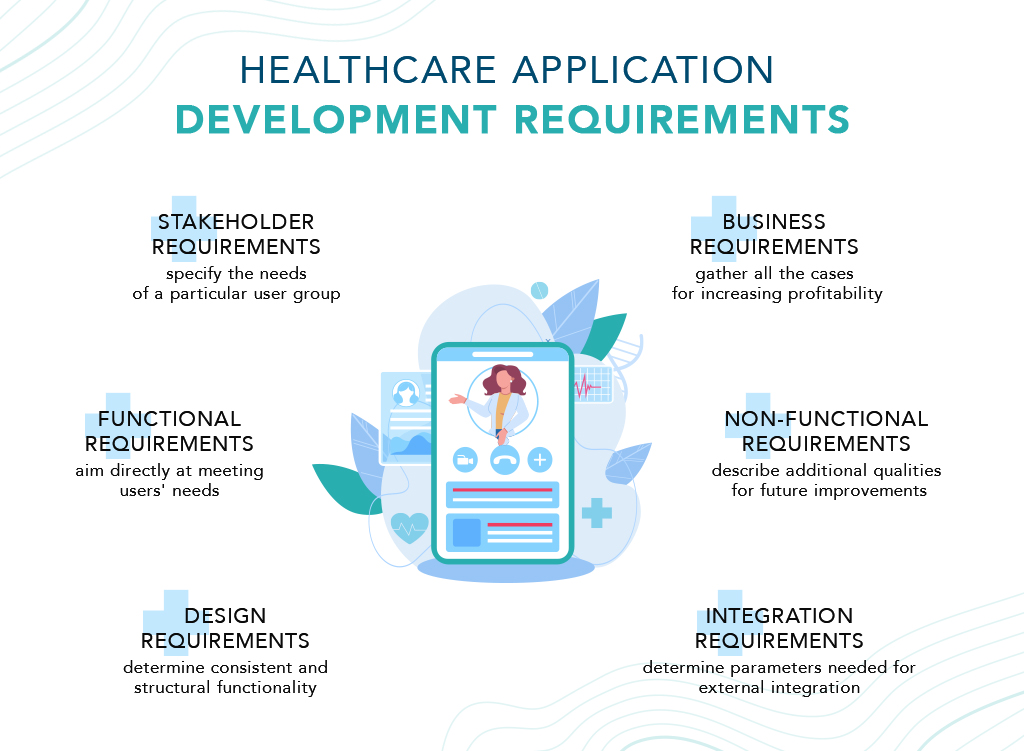
Case Study 2: Human-Centered Design in Electronic Health Records
Another example of CSE in action is the development of electronic health record (EHR) systems that are designed with a focus on human-centered principles. By involving healthcare providers in the design process, developers can create EHR interfaces that are more intuitive, user-friendly, and efficient. This can lead to improved documentation accuracy, reduced cognitive load on healthcare providers, and increased satisfaction with the technology.
Testimonials: Real-World Feedback on CSE in Healthcare Development
Using CSE principles in the development of our clinical decision support system has been a game-changer for our oncology practice. The system has helped us make more informed treatment decisions, reduce errors, and improve patient outcomes. We couldn’t imagine practicing medicine without it now. – Dr. Sarah Johnson, Oncologist
The human-centered design of our electronic health record system has transformed the way we work in our clinic. The system is so intuitive and easy to use that it has greatly reduced the time we spend on documentation and administrative tasks, allowing us to focus more on patient care. It’s made a real difference in our practice. – Nurse Practitioner Lisa Brown
Conclusion
In conclusion, Cognitive Systems Engineering offers a unique and valuable perspective on how to design technologies that leverage human intelligence and cognitive abilities to enhance healthcare development. By understanding how humans think, reason, and solve problems, developers can create tools and systems that support clinical decision-making, improve patient outcomes, and streamline processes. While there are challenges and considerations to address in implementing CSE in healthcare, the potential benefits for patients, healthcare providers, and organizations are significant. By continuing to integrate CSE principles into healthcare development, we can unlock the full potential of technology to transform the delivery of healthcare services for the better.
SEO Tags
– Healthcare development
– Cognitive Systems Engineering
– Clinical decision support systems
– Human-centered design
– Electronic health records