Unlocking the Potential of Population Health
When it comes to improving the health and well-being of communities, one of the key strategies that has gained traction in recent years is population health. Population health focuses on improving the health outcomes of a group of individuals, rather than just focusing on individual patients. By taking a broader approach to health, population health initiatives aim to address the underlying factors that influence health outcomes, such as social determinants of health, access to care, and health behaviors.
The Importance of Population Health
Population health is crucial for creating a healthier society. By addressing the underlying factors that contribute to poor health outcomes, such as poverty, lack of access to care, and unhealthy behaviors, population health initiatives have the potential to improve the health of entire communities. Instead of just treating individual patients when they become sick, population health focuses on preventing illness and promoting wellness at the community level.

Furthermore, population health initiatives can help to reduce healthcare costs by preventing chronic diseases and reducing the need for expensive medical treatments. By addressing the root causes of poor health outcomes, population health efforts can lead to cost savings for both individuals and healthcare systems.
Key Components of Population Health
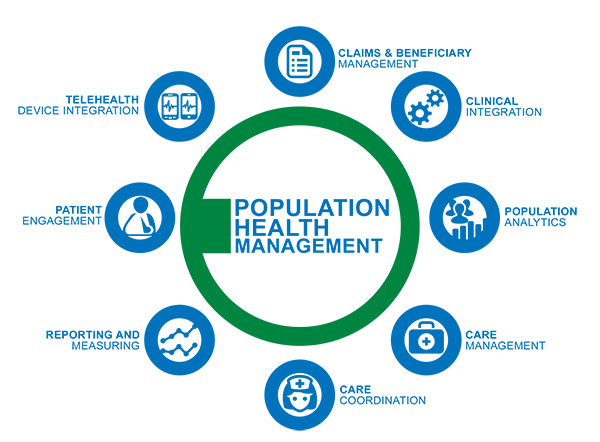
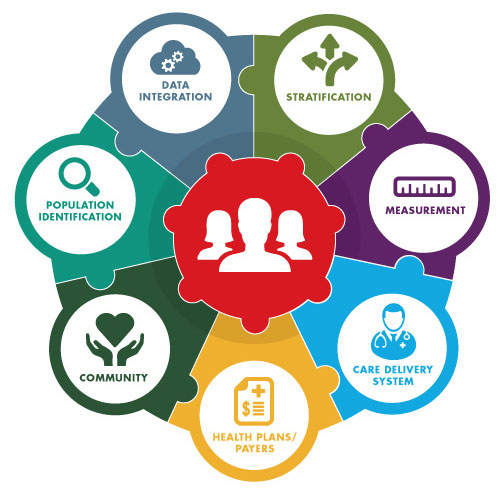
There are several key components that are essential for effective population health initiatives. These include data collection and analysis, community engagement, collaboration between healthcare providers and community organizations, and a focus on prevention and wellness. By collecting and analyzing data on the health needs of a population, healthcare providers can identify areas for improvement and tailor interventions to the specific needs of the community.

Community engagement is also critical for the success of population health initiatives. By involving community members in the planning and implementation of health programs, healthcare providers can ensure that interventions are culturally appropriate and address the unique needs of the population. Collaboration between healthcare providers, community organizations, and other stakeholders is also essential for creating comprehensive and sustainable population health initiatives.
Challenges in Implementing Population Health
While population health has the potential to improve the health of communities, there are several challenges that can hinder its implementation. One of the main challenges is the lack of funding for population health initiatives. Many healthcare systems are focused on treating individual patients and may not have the resources or infrastructure in place to support population health efforts.
Another challenge is the complexity of addressing the social determinants of health. Factors such as poverty, education, and access to care can have a significant impact on health outcomes, but addressing these factors requires a multi-disciplinary approach and collaboration between healthcare providers, government agencies, and community organizations.
Benefits of Cognitive Systems Engineering (CSE) in Population Health
Cognitive Systems Engineering (CSE) is an approach that focuses on designing systems that are intuitive, easy to use, and support human decision-making. In the context of population health, CSE can help to streamline data collection and analysis, improve communication between healthcare providers and community organizations, and enhance the effectiveness of interventions.

By using CSE principles to design population health initiatives, healthcare providers can create systems that are user-friendly, efficient, and responsive to the needs of the population. This can lead to better health outcomes, increased community engagement, and cost savings for healthcare systems.
Testimonials from Healthcare Providers
Since implementing population health initiatives in our community, we have seen a significant improvement in the health outcomes of our patients. By focusing on prevention and wellness, we have been able to reduce the incidence of chronic diseases and improve the overall health of our community. – Dr. Smith, Community Health Center
Cognitive Systems Engineering has revolutionized the way we approach population health. By using CSE principles to design our health programs, we have been able to increase efficiency, improve communication, and enhance the impact of our interventions. Our patients have noticed a difference, and we are excited to continue using CSE to improve the health of our community. – Nurse Jones, Public Health Department
Conclusion
Population health is a powerful approach to improving the health and well-being of communities. By addressing the social determinants of health, focusing on prevention and wellness, and using innovative approaches such as Cognitive Systems Engineering, healthcare providers can create sustainable and effective population health initiatives that have the potential to transform the health of entire communities. With the right resources, collaboration, and commitment, population health has the power to create a healthier, more equitable society for all.
FAQs
What is population health?
Population health focuses on improving the health outcomes of a group of individuals, rather than just focusing on individual patients. By addressing the underlying factors that influence health outcomes, such as social determinants of health, access to care, and health behaviors, population health initiatives aim to create healthier communities.
How can Cognitive Systems Engineering benefit population health?
Cognitive Systems Engineering (CSE) can help to streamline data collection and analysis, improve communication between healthcare providers and community organizations, and enhance the effectiveness of interventions in population health initiatives. By using CSE principles to design systems that support human decision-making, healthcare providers can create more efficient and user-friendly programs that lead to better health outcomes.
What are some of the challenges in implementing population health initiatives?
Some of the challenges in implementing population health initiatives include lack of funding, complexity in addressing social determinants of health, and the need for multi-disciplinary collaboration. Healthcare systems may struggle to allocate resources for population health efforts, and addressing factors such as poverty, education, and access to care require a coordinated effort between various stakeholders.
Tags
Population Health, Public Health, Healthcare, Cognitive Systems Engineering, Social Determinants of Health, Community Engagement, Prevention, Wellness, Data Analysis, Collaboration