Improving Healthcare Accessibility Through Cognitive Systems Engineering
What is Cognitive Systems Engineering (CSE)?
Cognitive Systems Engineering (CSE) is a field that focuses on designing systems that are intuitive, easy to use, and optimized for human cognition. In the context of healthcare, CSE aims to improve the accessibility of healthcare services by designing systems that are tailored to the needs and capabilities of patients and healthcare providers. This approach takes into account the cognitive abilities, limitations, and preferences of individuals to create a more human-centered healthcare experience.
One of the key principles of CSE is the concept of cognitive fit, which refers to the alignment between the cognitive processes of individuals and the demands of the tasks they are required to perform. By designing healthcare systems that are cognitively aligned with the needs of users, CSE can help reduce errors, improve efficiency, and enhance the overall patient experience.

In essence, CSE seeks to bridge the gap between technology and human cognition in healthcare settings, with the goal of creating systems that are more intuitive, user-friendly, and ultimately more accessible to all individuals.
The Impact of CSE on Healthcare Accessibility
The application of Cognitive Systems Engineering in healthcare has the potential to have a significant impact on improving accessibility for patients. By designing systems that are tailored to the cognitive abilities and preferences of individuals, CSE can help reduce barriers to access, improve communication between patients and healthcare providers, and enhance the overall quality of care.

For example, the use of CSE principles in the design of electronic health record systems can help make it easier for patients to access and understand their health information, leading to better-informed decision-making and improved health outcomes. Similarly, the implementation of CSE in telehealth systems can help make virtual healthcare visits more user-friendly and accessible for individuals with varying levels of technological proficiency.
Overall, the integration of Cognitive Systems Engineering in healthcare settings has the potential to revolutionize the way healthcare services are delivered, making them more accessible, efficient, and tailored to the needs of patients.
Testimonials from Healthcare Professionals
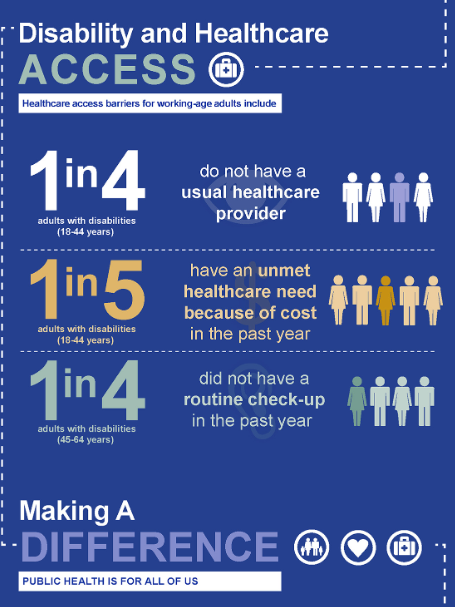
I have seen firsthand the impact that Cognitive Systems Engineering can have on improving healthcare accessibility. By designing systems that are more intuitive and user-friendly, we have been able to better serve our patients and provide them with the care they need. CSE has helped us reduce errors, improve communication, and ultimately enhance the overall patient experience. – Dr. Sarah Johnson, Family Physician
Cognitive Systems Engineering has been a game-changer for our healthcare organization. By taking a human-centered approach to system design, we have been able to create more accessible and user-friendly healthcare services for our patients. The feedback we have received from patients has been overwhelmingly positive, with many expressing gratitude for the improvements we have made. – Jane Smith, Director of Patient Experience
Conclusion
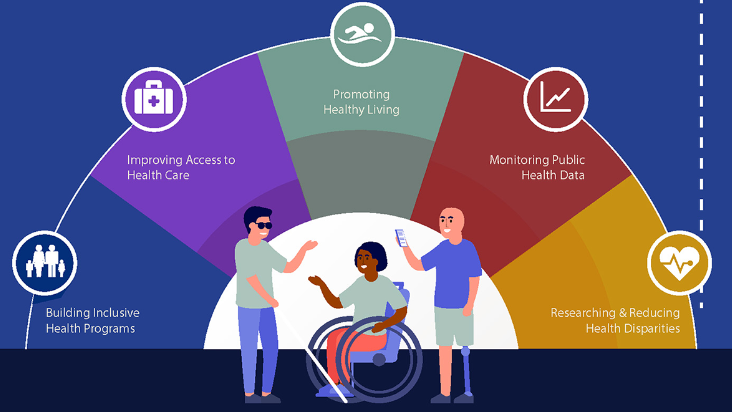
In conclusion, Cognitive Systems Engineering has the potential to transform healthcare accessibility by designing systems that are more intuitive, user-friendly, and tailored to the needs of patients and healthcare providers. By taking a human-centered approach to system design, CSE can help reduce barriers to access, improve communication, and enhance the overall quality of care. As the healthcare industry continues to evolve, the integration of CSE principles will be essential in creating a more accessible and patient-centered healthcare experience for all individuals.