Cognitive Systems Engineering: A Human Approach to Patient Experience
Understanding the Patient Journey
In today’s healthcare landscape, patient experience is more important than ever. Patients are no longer just passive recipients of care; they are active participants in their own health journey. Cognitive Systems Engineering (CSE) focuses on understanding how people interact with complex systems, such as healthcare, and how to design those systems to better meet human needs. By studying the cognitive processes involved in decision-making, problem-solving, and communication, CSE helps healthcare providers create a more human-centered approach to patient care.
One key aspect of patient experience is understanding the patient journey. From the moment a patient enters a healthcare facility to the time they receive a diagnosis and follow-up care, every interaction plays a role in shaping their overall experience. By applying principles of CSE, healthcare providers can identify pain points in the patient journey and implement strategies to improve communication, efficiency, and quality of care.

By taking a human-centered approach to patient experience, healthcare providers can create a more compassionate and empathetic environment for their patients. When patients feel heard, understood, and valued, they are more likely to engage in their care and follow through with treatment plans. CSE helps healthcare providers design systems and processes that prioritize patient needs and preferences, leading to better outcomes and higher levels of patient satisfaction.
Empowering Patients Through Education
Empowering patients through education is another important aspect of improving patient experience. When patients understand their diagnosis, treatment options, and the rationale behind healthcare decisions, they are better equipped to make informed choices about their care. CSE emphasizes the importance of clear communication and shared decision-making between healthcare providers and patients, fostering a sense of partnership and collaboration in the care process.

By providing patients with the information they need to actively participate in their care, healthcare providers can promote greater patient engagement and adherence to treatment plans. Through patient education materials, interactive tools, and transparent communication, patients can feel more confident and in control of their health outcomes. CSE helps healthcare providers design educational interventions that are tailored to individual patient needs and preferences, promoting a more personalized and effective approach to patient care.
When patients feel empowered and informed, they are more likely to take an active role in managing their health and well-being. By incorporating principles of CSE into patient education initiatives, healthcare providers can create a more supportive and empowering environment for their patients, leading to better health outcomes and a more positive patient experience.
Building Trust Through Transparent Communication
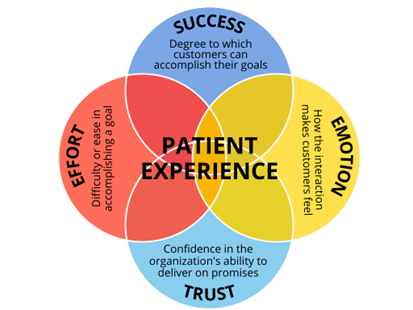
Building trust is essential in fostering a positive patient experience. Patients want to feel confident in their healthcare providers’ expertise, honesty, and integrity. Transparent communication is a key component of building trust with patients, allowing them to feel informed, respected, and valued throughout their care journey. CSE emphasizes the importance of clear, honest, and timely communication in healthcare settings, promoting a culture of transparency and accountability.
By being open and transparent with patients about their diagnosis, treatment options, and care plans, healthcare providers can build trust and rapport with their patients. When patients feel that their healthcare providers are listening to their concerns, answering their questions, and involving them in decision-making, they are more likely to trust the care they receive. CSE helps healthcare providers improve communication strategies, such as active listening, empathetic responses, and plain language explanations, to build trust and strengthen the patient-provider relationship.
Testimonial: I was diagnosed with a chronic condition and felt overwhelmed by the complexity of my treatment plan. My healthcare provider took the time to explain my diagnosis, treatment options, and next steps in a way that I could understand. Their transparent communication helped me feel more confident and supported in managing my health.
Creating a Culture of Empathy and Compassion
Empathy and compassion are at the heart of patient-centered care. Patients want to feel that their healthcare providers truly care about their well-being and are committed to supporting them through their health journey. CSE emphasizes the importance of empathy, understanding, and emotional intelligence in healthcare settings, promoting a culture of compassion and human connection.

By fostering a culture of empathy and compassion, healthcare providers can create a more supportive and healing environment for their patients. When patients feel that their healthcare providers are empathetic, attentive, and responsive to their needs, they are more likely to trust the care they receive and feel satisfied with their overall experience. CSE helps healthcare providers develop interpersonal skills, such as active listening, empathy, and emotional support, to build meaningful and trusting relationships with their patients.
Testimonial: I was going through a difficult time in my life and needed to see a healthcare provider for a routine check-up. My provider showed me kindness, empathy, and understanding, which made me feel valued and respected. Their compassionate care made a lasting impact on me and reinforced my trust in the healthcare system.
Improving Efficiency and Quality of Care

Efficiency and quality of care are essential components of a positive patient experience. Patients want to receive timely, effective, and safe care that meets their needs and preferences. CSE focuses on optimizing system performance and workflow design to improve efficiency, reduce errors, and enhance the quality of care delivered to patients.
By streamlining processes, eliminating unnecessary steps, and leveraging technology to support clinical decision-making, healthcare providers can improve the efficiency of care delivery and enhance the overall patient experience. CSE helps healthcare providers identify bottlenecks, gaps in communication, and opportunities for improvement in their systems and processes, leading to better outcomes and higher levels of patient satisfaction.
By prioritizing efficiency and quality of care, healthcare providers can create a more patient-centered and responsive environment for their patients. When patients receive care that is timely, effective, and tailored to their needs, they are more likely to feel satisfied with their experience and motivated to engage in their health and well-being.
Personalizing Care Through Patient-Centered Design
Personalizing care is key to meeting the unique needs and preferences of individual patients. Every patient is different, with their own set of values, beliefs, and goals for their health. CSE emphasizes the importance of patient-centered design in healthcare settings, tailoring care to the specific needs and preferences of each patient to promote better outcomes and a more positive experience.
By incorporating principles of patient-centered design, healthcare providers can create care plans that are personalized, holistic, and responsive to the individual needs of each patient. From considering cultural beliefs and social determinants of health to involving patients in shared decision-making and care planning, CSE helps healthcare providers design care processes that prioritize patient well-being and satisfaction.
When patients receive care that is personalized and tailored to their unique needs, they are more likely to feel valued, respected, and supported in their health journey. By taking a human-centered approach to care design, healthcare providers can create a more inclusive, compassionate, and effective care environment for their patients, leading to better outcomes and a stronger patient-provider relationship.
Enhancing Patient Engagement and Adherence
Patient engagement and adherence are critical to achieving positive health outcomes. Patients who are actively involved in their care and motivated to follow through with treatment plans are more likely to experience better results and higher levels of satisfaction. CSE focuses on understanding the cognitive processes involved in patient decision-making and behavior change, helping healthcare providers design interventions that promote greater engagement and adherence.
By involving patients in shared decision-making, setting realistic goals, and providing support and resources to help them navigate their care journey, healthcare providers can enhance patient engagement and adherence. CSE helps healthcare providers identify barriers to engagement, such as lack of information, communication gaps, or cultural beliefs, and implement strategies to overcome these obstacles and empower patients to take control of their health.
When patients feel engaged, informed, and supported in their care, they are more likely to adhere to treatment plans, follow through with appointments, and make positive lifestyle changes to improve their health outcomes. By prioritizing patient engagement and adherence, healthcare providers can create a more collaborative and empowering care environment for their patients, leading to better health outcomes and a more positive patient experience.
Facilitating Seamless Transitions of Care
Seamless transitions of care are essential to ensuring continuity, coordination, and quality of care for patients. From hospital to home, primary care to specialty care, or one provider to another, patients rely on healthcare systems to facilitate smooth and efficient transitions throughout their care journey. CSE focuses on understanding the cognitive processes involved in care transitions and designing systems that support safe, effective, and patient-centered care handoffs.
By optimizing communication, information sharing, and care coordination between healthcare providers, patients, and caregivers, healthcare systems can enhance the quality and safety of care transitions. CSE helps healthcare providers identify gaps in communication, breakdowns in information transfer, and opportunities for improvement in the care transition process, leading to better outcomes and a more positive patient experience.
When patients experience seamless transitions of care, they are more likely to feel confident, supported, and informed as they move through different phases of their care journey. By prioritizing care continuity and coordination, healthcare providers can create a more integrated and patient-centered approach to care delivery, promoting better outcomes and higher levels of patient satisfaction.
Conclusion
In conclusion, Cognitive Systems Engineering (CSE) offers a human-centered approach to improving patient experience in healthcare settings. By understanding the cognitive processes involved in patient decision-making, behavior change, and communication, healthcare providers can design systems and processes that prioritize patient needs, preferences, and well-being. Through transparency, empathy, efficiency, personalization, engagement, and care coordination, healthcare providers can create a more compassionate, collaborative, and effective care environment for their patients, leading to better outcomes and a more positive patient experience.