Healthcare Quality Standards: Ensuring Excellence in Patient Care
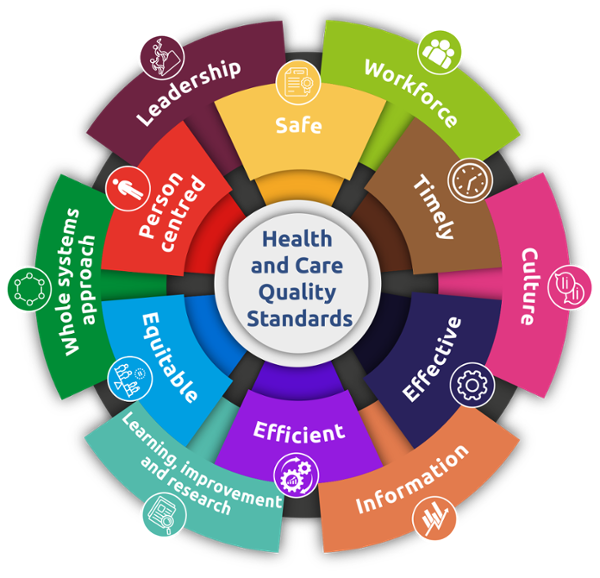
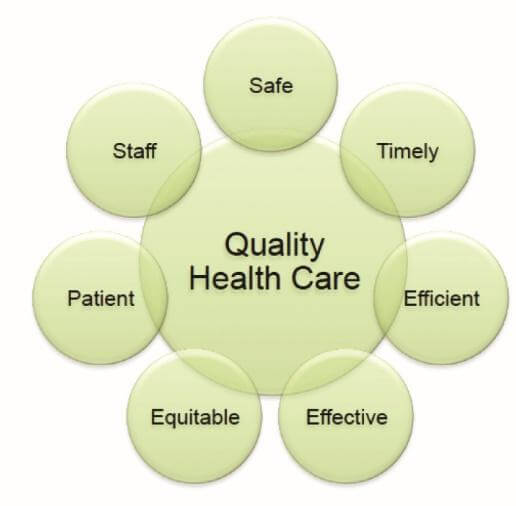
When it comes to healthcare, quality standards play a crucial role in ensuring that patients receive the best possible care. Healthcare quality standards are a set of guidelines and criteria that healthcare providers must meet to deliver high-quality and safe care to their patients. These standards cover a wide range of areas, including patient safety, effectiveness of care, patient-centeredness, efficiency, and equity.
What are Healthcare Quality Standards?
Healthcare quality standards are guidelines that healthcare providers must follow to ensure that they are delivering high-quality care to their patients. These standards are developed by professional organizations, government agencies, and accrediting bodies to help healthcare providers improve the quality of care they provide. By adhering to these standards, healthcare providers can ensure that they are delivering safe, effective, and patient-centered care to their patients.
One example of a healthcare quality standard is the National Patient Safety Goals, which are developed by The Joint Commission to help healthcare organizations improve patient safety. These goals focus on areas such as medication safety, infection prevention, and communication among healthcare providers. By following these goals, healthcare organizations can reduce the risk of medical errors and improve patient outcomes.
In addition to patient safety goals, healthcare quality standards also address other areas of care, such as clinical effectiveness, patient-centeredness, efficiency, and equity. By addressing these areas, healthcare providers can ensure that they are delivering care that is not only safe and effective but also tailored to the individual needs of each patient.
Why are Healthcare Quality Standards Important?
Healthcare quality standards are important for several reasons. First and foremost, they help to ensure that patients receive safe and effective care. By adhering to quality standards, healthcare providers can reduce the risk of medical errors, improve patient outcomes, and enhance patient satisfaction. In addition, quality standards also help to promote accountability and transparency in healthcare organizations, which can help to build trust with patients and the community.
Furthermore, healthcare quality standards are essential for driving continuous improvement in the healthcare system. By setting clear expectations for care delivery, quality standards can help healthcare providers identify areas for improvement and implement changes to enhance the quality of care they provide. This can lead to better outcomes for patients, as well as increased efficiency and cost-effectiveness for healthcare organizations.
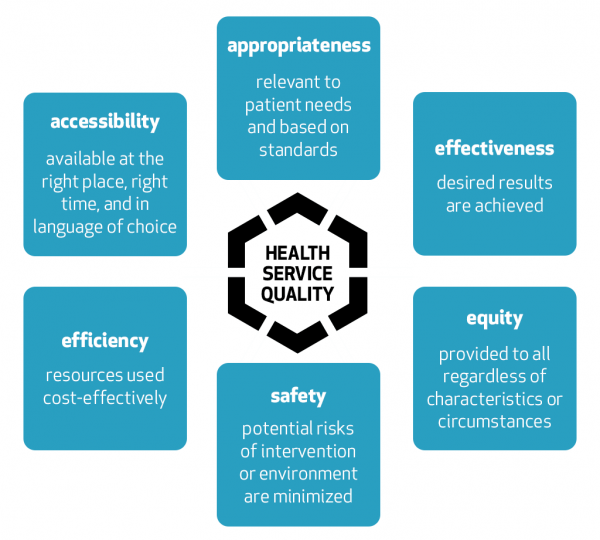
Overall, healthcare quality standards are a critical component of delivering high-quality care to patients. By adhering to these standards, healthcare providers can ensure that they are delivering care that is safe, effective, and patient-centered, ultimately leading to better outcomes for patients and improved satisfaction with the healthcare system.
How are Healthcare Quality Standards Implemented?
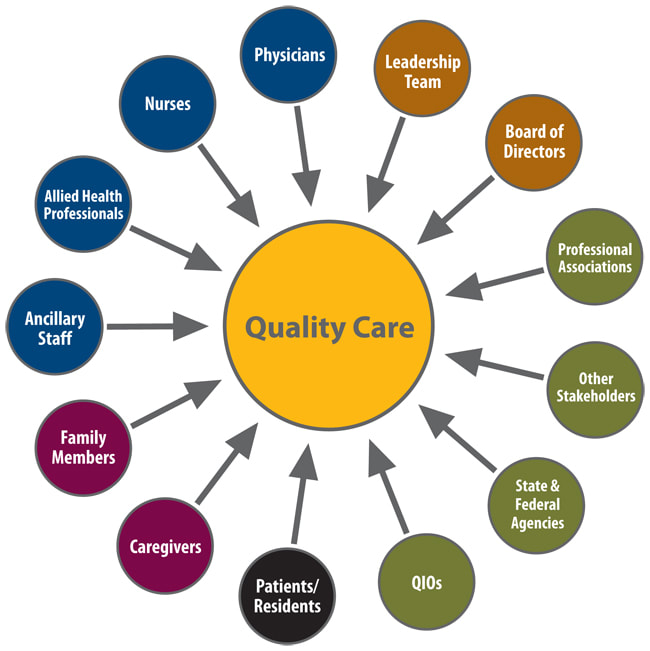
Implementing healthcare quality standards can be a complex process that requires collaboration and commitment from healthcare providers, administrators, and other stakeholders. To effectively implement quality standards, healthcare organizations must first establish a culture of quality and safety, where all members of the healthcare team are committed to delivering high-quality care.
One key step in implementing quality standards is to conduct regular assessments of current practices and outcomes to identify areas for improvement. By collecting and analyzing data on key quality indicators, healthcare organizations can identify areas where they are excelling and areas where they need to make improvements. This data-driven approach to quality improvement can help healthcare organizations make informed decisions about how to enhance the quality of care they provide.
In addition to data collection and analysis, healthcare organizations must also establish processes and protocols to ensure that quality standards are integrated into daily practice. This may involve developing clinical guidelines, implementing quality improvement projects, and providing training and education to staff members. By embedding quality standards into everyday practice, healthcare organizations can ensure that they are consistently delivering high-quality care to their patients.

Overall, implementing healthcare quality standards requires a multi-faceted approach that involves leadership, teamwork, and a commitment to continuous improvement. By working together to implement quality standards, healthcare organizations can enhance the quality of care they provide and improve outcomes for their patients.
Testimonials from Patients and Healthcare Providers
[testimonials]
Conclusion
In conclusion, healthcare quality standards are essential for ensuring that patients receive safe, effective, and patient-centered care. By adhering to quality standards, healthcare providers can reduce the risk of medical errors, improve patient outcomes, and enhance patient satisfaction. Implementing quality standards requires collaboration, commitment, and a data-driven approach to quality improvement. By working together to implement quality standards, healthcare organizations can enhance the quality of care they provide and improve outcomes for their patients.
Tags:
healthcare quality standards, patient safety, effectiveness of care, patient-centeredness, efficiency, equity
FAQ
Q: What are some examples of healthcare quality standards?
A: Some examples of healthcare quality standards include the National Patient Safety Goals, clinical effectiveness guidelines, and patient-centered care principles.
Q: How are healthcare quality standards implemented in healthcare organizations?
A: Healthcare quality standards are implemented through a data-driven approach to quality improvement, establishing processes and protocols, and providing training and education to staff members.
Q: Why are healthcare quality standards important?
A: Healthcare quality standards are important for ensuring patient safety, driving continuous improvement, and promoting accountability and transparency in healthcare organizations.