The Importance of Emotional Wellbeing
Emotional wellbeing is a crucial aspect of overall health and happiness. It encompasses how we feel about ourselves, our relationships with others, and our ability to cope with life’s challenges. When we are emotionally healthy, we are better able to handle stress, maintain positive relationships, and make healthy choices. On the other hand, poor emotional wellbeing can lead to a host of issues, including anxiety, depression, and even physical health problems.
One of the key components of emotional wellbeing is self-awareness. Understanding and recognizing our own emotions is the first step in managing them effectively. This self-awareness allows us to identify when we are feeling overwhelmed or stressed and take steps to address these emotions before they escalate. It also helps us to better understand our own needs and desires, leading to improved self-care and self-compassion.

Another important aspect of emotional wellbeing is resilience. Resilience is the ability to bounce back from setbacks and challenges, and it is a key factor in maintaining emotional health. Resilient individuals are able to adapt to change, cope with adversity, and find ways to stay positive in the face of difficulty. Developing resilience involves cultivating a growth mindset, seeking support from others, and finding healthy ways to cope with stress.
In order to promote emotional wellbeing, it is important to prioritize self-care and self-compassion. This means taking time for activities that bring us joy, setting boundaries to protect our mental health, and practicing self-acceptance and self-love. It also means seeking help when needed, whether that be through therapy, support groups, or talking to a trusted friend or family member. By prioritizing our emotional health, we can improve our overall quality of life and build resilience to face life’s challenges.
Practical Strategies for Improving Emotional Wellbeing
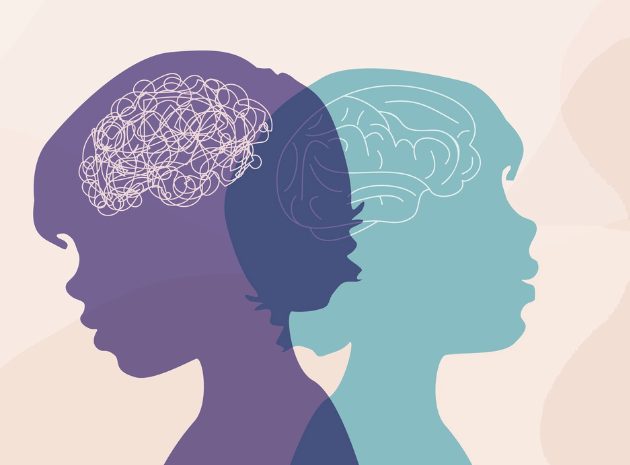
There are many strategies that can help improve emotional wellbeing and promote mental health. One effective approach is mindfulness, which involves paying attention to the present moment without judgment. Mindfulness practices such as meditation, deep breathing, and yoga can help reduce stress, improve mood, and enhance self-awareness. By incorporating mindfulness into our daily routines, we can cultivate a greater sense of calm and balance.
Another helpful strategy for improving emotional wellbeing is building strong social connections. Maintaining positive relationships with friends, family, and community members is essential for mental health. Social support can provide a sense of belonging, reduce feelings of isolation, and offer a source of comfort and encouragement during difficult times. By nurturing our social connections and seeking out supportive relationships, we can boost our emotional wellbeing and build resilience.

Physical activity is also an important factor in emotional wellbeing. Exercise has been shown to have a positive impact on mood, reducing symptoms of depression and anxiety. Regular physical activity can help release endorphins, the body’s natural feel-good chemicals, and improve overall wellbeing. Finding activities that we enjoy and incorporating them into our daily routine can help us stay active and maintain a positive outlook.
In addition to these strategies, it is important to prioritize self-care and relaxation. Taking time for activities that promote relaxation, such as reading, listening to music, or spending time in nature, can help reduce stress and improve emotional wellbeing. Setting aside time for self-care activities and making them a priority can help us recharge and rejuvenate, leading to improved mental health and overall happiness.
Seeking Professional Help for Emotional Wellbeing

While self-care strategies and lifestyle changes can be beneficial for improving emotional wellbeing, sometimes professional help is necessary. If you are struggling with persistent feelings of sadness, anxiety, or hopelessness, it may be helpful to seek the support of a mental health professional. Therapists, counselors, and psychologists are trained to help individuals navigate difficult emotions and develop coping strategies to improve mental health.
There are many different types of therapy that can be effective in addressing emotional issues. Cognitive-behavioral therapy (CBT), for example, focuses on changing negative thought patterns and behaviors to improve mood and overall wellbeing. Other types of therapy, such as psychodynamic therapy or mindfulness-based therapy, may also be helpful in addressing emotional concerns. A mental health professional can help determine the best approach for your individual needs.

In some cases, medication may also be recommended to help manage symptoms of depression, anxiety, or other mental health conditions. Psychiatrists are medical doctors who specialize in the diagnosis and treatment of mental health disorders, and they can prescribe medication to help alleviate symptoms and improve emotional wellbeing. It is important to work closely with a healthcare provider to determine the best treatment plan for your individual needs.
If you are experiencing thoughts of self-harm or suicide, it is important to seek help immediately. Contact a crisis hotline, speak to a trusted friend or family member, or go to the nearest emergency room for support. You are not alone, and there are resources available to help you navigate these difficult emotions and find hope for the future.
Emotional Wellbeing and Relationships

Our relationships with others play a significant role in our emotional wellbeing. Positive, supportive relationships can provide comfort, encouragement, and a sense of belonging, while toxic or unhealthy relationships can contribute to stress, anxiety, and feelings of isolation. It is important to nurture our relationships with care and attention in order to maintain our emotional health and wellbeing.
Communication is key to building healthy relationships. Open, honest communication allows us to express our thoughts and feelings, share our needs and desires, and resolve conflicts in a constructive way. By practicing active listening, empathy, and understanding in our interactions with others, we can strengthen our connections and build trust and intimacy in our relationships.
Setting boundaries is also important for maintaining healthy relationships and protecting our emotional wellbeing. Boundaries help us establish clear expectations for how we want to be treated, what we are willing to tolerate, and what is acceptable behavior in our relationships. By setting and enforcing boundaries, we can protect ourselves from harmful interactions, maintain our self-respect, and cultivate relationships that are supportive and fulfilling.
It is also important to prioritize self-care within our relationships. Taking time for ourselves, practicing self-compassion, and engaging in activities that bring us joy are essential for maintaining emotional wellbeing. By prioritizing our own needs and boundaries, we can show up as our best selves in our relationships and foster connections that are positive, loving, and nourishing.
Emotional Wellbeing and Self-Care
Self-care is an essential component of emotional wellbeing. Taking time to care for ourselves, prioritize our needs, and engage in activities that promote relaxation and rejuvenation is crucial for maintaining mental health and overall happiness. Self-care looks different for everyone, but it often involves activities that bring us joy, reduce stress, and nurture our emotional wellbeing.
One important aspect of self-care is setting boundaries. Boundaries help us establish clear expectations for how we want to be treated, what we are willing to tolerate, and what is acceptable behavior in our relationships and interactions with others. By setting and enforcing boundaries, we can protect ourselves from harmful interactions, maintain our self-respect, and cultivate relationships that are supportive and fulfilling.
Another key component of self-care is prioritizing activities that bring us joy and relaxation. Engaging in hobbies, spending time in nature, reading, or practicing mindfulness can help reduce stress, improve mood, and enhance emotional wellbeing. By incorporating these activities into our daily routines and making them a priority, we can recharge and rejuvenate, leading to improved mental health and overall happiness.
Self-compassion is also an important aspect of self-care. Being kind and gentle with ourselves, acknowledging our strengths and limitations, and treating ourselves with the same love and understanding that we offer to others can help improve our self-esteem and emotional wellbeing. Practicing self-compassion involves being mindful of our thoughts and feelings, offering ourselves support and encouragement, and treating ourselves with kindness and empathy.
Emotional Wellbeing and Stress Management
Stress is a natural part of life, but when it becomes overwhelming or chronic, it can have a negative impact on our emotional wellbeing. Learning how to manage stress effectively is essential for maintaining mental health and overall happiness. There are many strategies that can help reduce stress and promote emotional wellbeing.
One effective stress management technique is mindfulness. Mindfulness involves paying attention to the present moment without judgment, and it can help reduce stress, improve mood, and enhance self-awareness. Mindfulness practices such as meditation, deep breathing, and yoga can help cultivate a sense of calm and balance, even in the midst of challenging situations.
Another helpful strategy for managing stress is physical activity. Exercise has been shown to have a positive impact on mood, reducing symptoms of depression and anxiety. Regular physical activity can help release endorphins, the body’s natural feel-good chemicals, and improve overall wellbeing. Finding activities that we enjoy and incorporating them into our daily routine can help us stay active and maintain a positive outlook.
In addition to mindfulness and physical activity, relaxation techniques can also be beneficial for managing stress. Practices such as progressive muscle relaxation, guided imagery, and deep breathing exercises can help reduce tension, calm the mind, and promote relaxation. By incorporating these techniques into our daily routines, we can better cope with stress and maintain emotional wellbeing.
Emotional Wellbeing and Mental Health
Emotional wellbeing and mental health are closely interconnected. When we are emotionally healthy, we are better able to cope with life’s challenges, maintain positive relationships, and make healthy choices. On the other hand, poor emotional wellbeing can contribute to the development of mental health issues such as anxiety, depression, and mood disorders.
One of the key factors in promoting mental health is self-awareness. Understanding and recognizing our own emotions is the first step in managing them effectively. This self-awareness allows us to identify when we are feeling overwhelmed or stressed and take steps to address these emotions before they escalate. It also helps us to better understand our own needs and desires, leading to improved self-care and self-compassion.