Unlocking the Power of Healthcare Strategy with Cognitive Systems Engineering
What is Cognitive Systems Engineering?
Cognitive Systems Engineering (CSE) is a discipline that focuses on designing and improving complex systems by taking into account the cognitive processes of the human operators involved. This approach recognizes that human cognitive abilities, such as perception, memory, attention, and decision-making, play a crucial role in the performance of these systems. By understanding and optimizing how humans interact with technology and other elements of a system, CSE aims to enhance overall system performance and safety.
In the healthcare industry, CSE can be applied to various aspects of patient care, from medical devices and equipment design to clinical workflows and information systems. By applying principles of CSE, healthcare organizations can improve the efficiency, effectiveness, and safety of their operations, ultimately leading to better patient outcomes.
The Benefits of Applying CSE in Healthcare Strategy

There are numerous benefits to incorporating CSE principles into healthcare strategy. One key advantage is the ability to design systems that are more intuitive and user-friendly for healthcare professionals, leading to improved workflow efficiency and reduced cognitive load. This can help to prevent errors and improve patient safety.
Additionally, by optimizing the interface between humans and technology in healthcare systems, organizations can enhance communication and collaboration among different healthcare providers. This can lead to better coordination of care, more timely decision-making, and ultimately, improved patient outcomes.
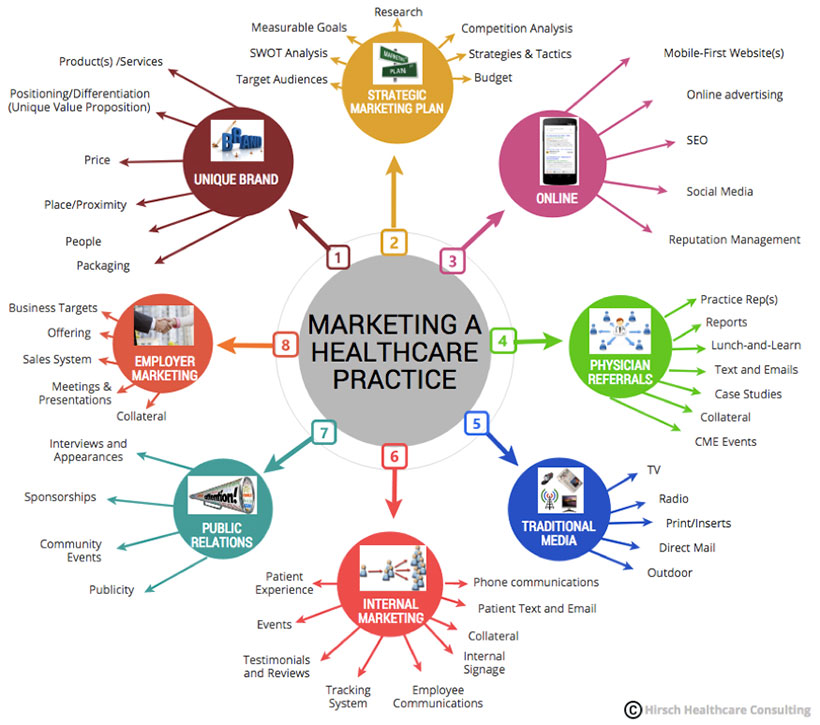
Furthermore, by leveraging CSE in healthcare strategy, organizations can better understand and address the unique cognitive challenges faced by healthcare professionals, such as information overload, stress, and fatigue. By designing systems that support cognitive processes, rather than hinder them, healthcare organizations can create a more supportive and sustainable work environment for their staff.
Implementing CSE in Healthcare Organizations
To successfully implement CSE in healthcare organizations, a multidisciplinary approach is often required. This may involve collaboration between healthcare professionals, engineers, designers, and other stakeholders to design and optimize systems that meet the unique cognitive needs of healthcare workers.
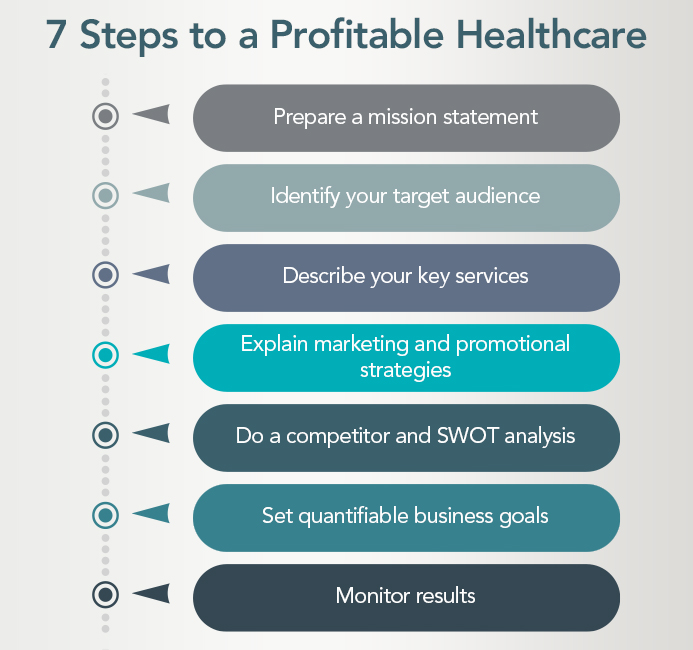
One effective way to incorporate CSE into healthcare strategy is through the use of human-centered design principles. By involving end-users in the design process and considering their cognitive abilities and limitations, organizations can create more user-friendly and effective systems.
Additionally, leveraging technology such as artificial intelligence and machine learning can help to automate routine tasks, freeing up healthcare professionals to focus on more complex and critical aspects of patient care. By augmenting human cognition with intelligent systems, healthcare organizations can achieve greater efficiency and effectiveness in their operations.
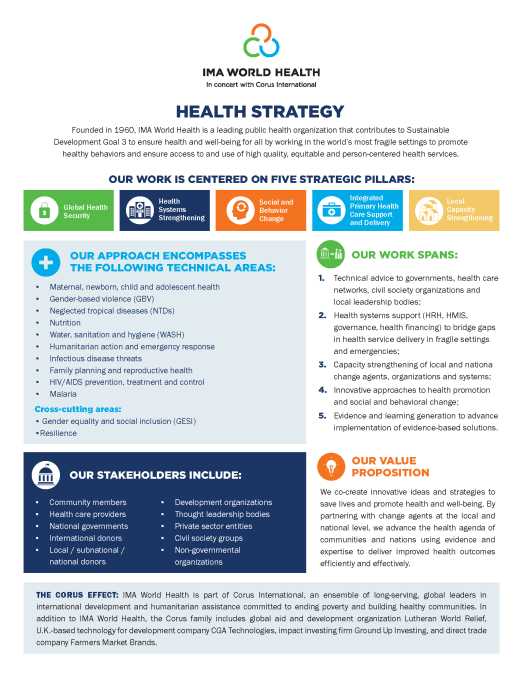
In conclusion, Cognitive Systems Engineering offers a powerful framework for improving healthcare strategy by optimizing the interaction between humans and technology in complex systems. By applying principles of CSE, healthcare organizations can enhance workflow efficiency, communication, and decision-making, ultimately leading to better patient outcomes. By embracing a human-centered approach and leveraging technology, healthcare organizations can unlock the full potential of CSE in their operations.
Testimonials
Since implementing CSE principles in our healthcare organization, we have seen a significant improvement in workflow efficiency and staff satisfaction. Our healthcare professionals are better equipped to handle the demands of their roles, leading to better patient outcomes and overall quality of care. – Dr. Jane Smith, Chief Medical Officer
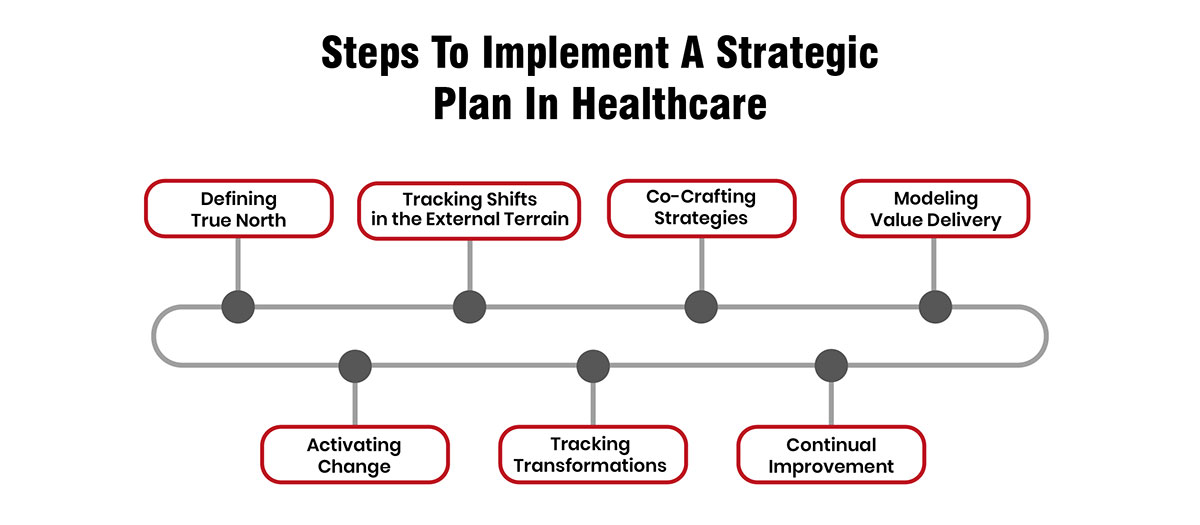
Cognitive Systems Engineering has revolutionized the way we approach healthcare strategy in our organization. By designing systems that support human cognition, rather than hinder it, we have been able to create a more sustainable and supportive work environment for our staff. – Sarah Johnson, Director of Operations
By incorporating CSE into our healthcare strategy, we have been able to streamline our clinical workflows and improve communication among healthcare providers. This has led to better coordination of care and more timely decision-making, resulting in improved patient outcomes. – Mark Williams, IT Manager
FAQ
What are the key principles of Cognitive Systems Engineering?
Cognitive Systems Engineering focuses on designing systems that take into account the cognitive processes of human operators, such as perception, memory, attention, and decision-making. By understanding and optimizing how humans interact with technology and other elements of a system, CSE aims to enhance overall system performance and safety.
How can healthcare organizations benefit from applying CSE principles?
Healthcare organizations can benefit from applying CSE principles by designing systems that are more intuitive and user-friendly for healthcare professionals, leading to improved workflow efficiency and reduced cognitive load. This can help to prevent errors and improve patient safety, ultimately leading to better patient outcomes.
What are some strategies for implementing CSE in healthcare organizations?
One effective way to implement CSE in healthcare organizations is through the use of human-centered design principles. By involving end-users in the design process and considering their cognitive abilities and limitations, organizations can create more user-friendly and effective systems. Additionally, leveraging technology such as artificial intelligence and machine learning can help to automate routine tasks, freeing up healthcare professionals to focus on more complex and critical aspects of patient care.