Transforming Healthcare Education with Cognitive Systems Engineering
What is Cognitive Systems Engineering?
Cognitive Systems Engineering (CSE) is a multidisciplinary field that focuses on understanding how humans interact with complex systems. In the context of healthcare education, CSE aims to improve the design and implementation of educational resources to enhance learning outcomes for students. By applying principles from cognitive psychology, human factors engineering, and computer science, CSE seeks to create educational experiences that are more intuitive, efficient, and effective.
One key aspect of CSE is the emphasis on understanding the cognitive processes involved in learning. By studying how individuals perceive, process, and retain information, educators can design educational resources that optimize the learning experience. This includes considering factors such as attention, memory, problem-solving, and decision-making to create a more tailored and effective educational experience for students.
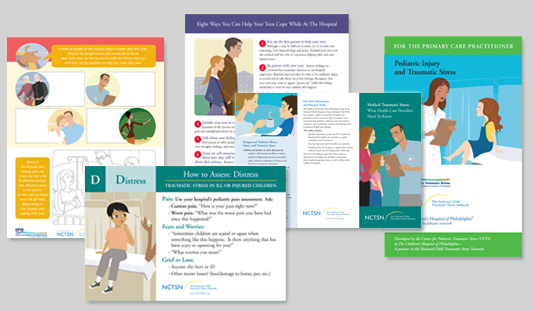
In the healthcare field, where knowledge retention and application are critical for patient care, CSE can play a vital role in improving the quality of education and training for healthcare professionals. By incorporating CSE principles into the design of educational resources, educators can better support students in developing the skills and knowledge needed to excel in their careers.
Benefits of CSE in Healthcare Education
There are several benefits to incorporating Cognitive Systems Engineering into healthcare education. One of the primary advantages is the ability to create more personalized and adaptive learning experiences for students. By analyzing the cognitive processes involved in learning, educators can tailor educational resources to individual student needs, preferences, and learning styles, leading to improved engagement and knowledge retention.

Additionally, CSE can help educators design more effective simulations and training modules that mimic real-world healthcare scenarios. By understanding how humans interact with complex systems and make decisions under pressure, educators can create realistic and immersive learning experiences that prepare students for the challenges they will face in their careers. This can enhance students’ critical thinking skills, problem-solving abilities, and decision-making processes, ultimately improving the quality of patient care.
Furthermore, CSE can help identify and address areas for improvement in healthcare education curricula. By studying how students learn and apply knowledge in healthcare settings, educators can identify gaps in the curriculum and make informed decisions about where to focus resources and efforts. This can lead to more efficient and effective educational programs that better prepare students for the demands of the healthcare industry.
Implementing CSE in Healthcare Education

To successfully implement Cognitive Systems Engineering in healthcare education, educators can take several steps to optimize the learning experience for students. One key strategy is to conduct thorough needs assessments to identify the specific learning objectives and challenges facing students in healthcare programs. By understanding the unique cognitive demands of healthcare education, educators can tailor educational resources to address these needs and enhance student learning outcomes.
Additionally, educators can leverage technology to create interactive and dynamic learning experiences that engage students and promote active learning. By incorporating simulations, virtual reality, and other innovative technologies into educational resources, educators can provide students with hands-on practice and real-time feedback to enhance their skills and knowledge. This can help students develop the critical thinking and problem-solving abilities needed to succeed in the fast-paced and high-stakes environment of healthcare.

Furthermore, educators can collaborate with industry experts and healthcare professionals to ensure that educational resources are aligned with industry standards and best practices. By partnering with practitioners in the field, educators can gain valuable insights into the challenges and opportunities facing healthcare professionals and incorporate this knowledge into their curricula. This collaboration can help bridge the gap between academia and industry, ensuring that students are well-prepared to meet the demands of the healthcare workforce.
Testimonials
I have been using Cognitive Systems Engineering principles in my healthcare education program for the past year, and the results have been remarkable. Students are more engaged, motivated, and confident in their abilities, leading to improved learning outcomes and higher pass rates on exams. I highly recommend incorporating CSE into healthcare education to enhance the quality of learning experiences for students. – Dr. Sarah Johnson, Healthcare Educator

Cognitive Systems Engineering has transformed the way we approach healthcare education at our institution. By focusing on understanding the cognitive processes involved in learning, we have been able to create more tailored and effective educational resources that meet the diverse needs of our students. The feedback from students has been overwhelmingly positive, with many reporting increased confidence and competence in their clinical practice. CSE has truly made a difference in our program. – Dr. Michael Smith, Program Director
Conclusion
In conclusion, Cognitive Systems Engineering has the potential to revolutionize healthcare education by enhancing the design and implementation of educational resources. By applying principles from cognitive psychology, human factors engineering, and computer science, educators can create more personalized, adaptive, and effective learning experiences for students. By incorporating CSE into healthcare education, educators can improve the quality of education and training for healthcare professionals, leading to better patient outcomes and a more knowledgeable and competent workforce. The benefits of CSE in healthcare education are clear, and by embracing this multidisciplinary approach, educators can transform the future of healthcare education for the better.
