Blue-Chip Stock Insights: A Comprehensive Guide
What Are Blue-Chip Stocks?
Blue-chip stocks are well-established companies with a history of stable performance and reliable dividends. These companies are typically industry leaders with strong market positions and long track records of success. Blue-chip stocks are considered to be safe investments because they are less volatile than smaller companies and have a proven track record of generating consistent returns for investors.
Investing in blue-chip stocks is a popular strategy for long-term investors looking to build wealth over time. These stocks are often seen as a core holding in a diversified portfolio because they provide stability and consistent returns. Blue-chip stocks are also known for paying dividends, making them a popular choice for income-seeking investors.

When selecting blue-chip stocks to invest in, it’s important to consider factors such as the company’s financial health, competitive advantages, and growth potential. By investing in blue-chip stocks with strong fundamentals and a solid track record, investors can benefit from long-term capital appreciation and income growth.
Benefits of Investing in Blue-Chip Stocks
There are several benefits to investing in blue-chip stocks. One of the main advantages is that these stocks are generally less volatile than smaller companies, making them a safer investment option for risk-averse investors. Blue-chip stocks also tend to outperform the broader market over the long term, making them a reliable option for building wealth over time.
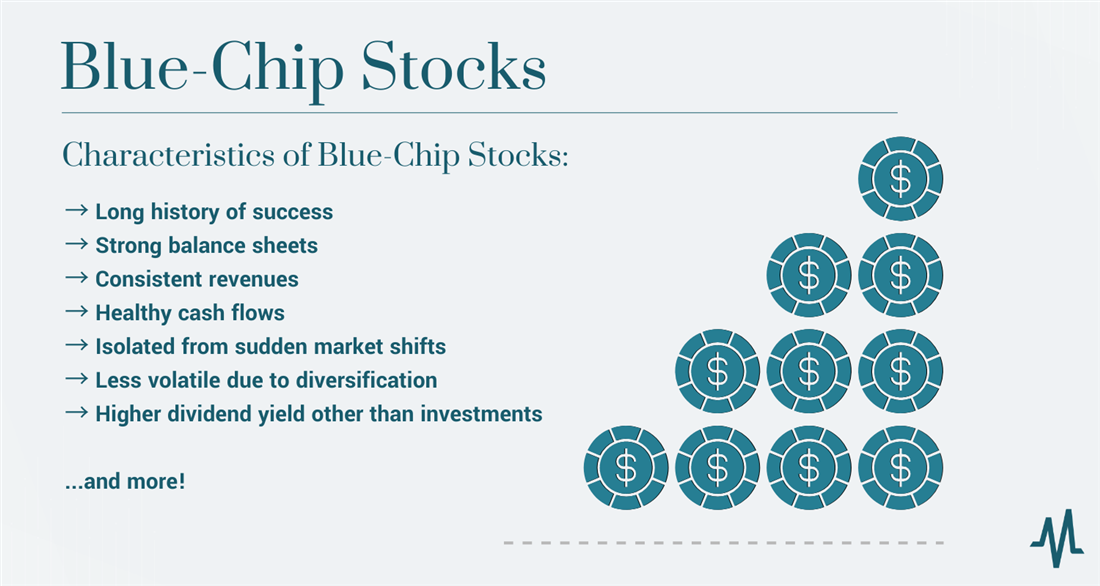
Another benefit of investing in blue-chip stocks is the dividends they pay. Many blue-chip companies have a long history of paying and increasing dividends, providing investors with a steady stream of income. This can be particularly attractive for retirees or investors looking to supplement their income.
Blue-chip stocks also tend to have strong balance sheets and competitive advantages that allow them to weather economic downturns and market volatility. By investing in companies with solid fundamentals and a proven track record of success, investors can reduce their risk and increase their chances of long-term success.
Risks of Investing in Blue-Chip Stocks

While blue-chip stocks are generally considered to be safe investments, they are not without risks. One of the main risks of investing in blue-chip stocks is the potential for underperformance. Blue-chip stocks are often large, mature companies that may have limited growth prospects compared to smaller, more dynamic companies.
Another risk of investing in blue-chip stocks is valuation risk. Because blue-chip stocks are popular among investors, they can sometimes become overvalued, leading to lower returns for investors. It’s important for investors to carefully evaluate the valuation of blue-chip stocks before making an investment to ensure they are not overpaying for the stock.

Finally, blue-chip stocks are not immune to market risks and economic downturns. While these stocks are generally less volatile than smaller companies, they can still be impacted by factors such as interest rates, inflation, and geopolitical events. Investors should be prepared for fluctuations in the value of their blue-chip stock holdings and have a long-term investment horizon to weather market volatility.
How to Choose Blue-Chip Stocks
When selecting blue-chip stocks to invest in, it’s important to consider a variety of factors to ensure you are making a sound investment decision. One of the first things to look at is the company’s financial health. Make sure the company has a strong balance sheet, with low debt levels and ample cash reserves to weather economic downturns.

It’s also important to consider the company’s competitive advantages and market position. Look for companies with a strong moat, or competitive edge, that allows them to maintain their market share and pricing power over time. Companies with strong brand recognition and customer loyalty are often good candidates for blue-chip stock investments.
In addition to financial health and competitive advantages, consider the company’s growth potential. While blue-chip stocks may be mature companies, they should still have the ability to grow their earnings and dividends over time. Look for companies with a history of consistent earnings growth and a solid track record of increasing dividends.
Strategies for Investing in Blue-Chip Stocks
There are several strategies investors can use to maximize their returns when investing in blue-chip stocks. One strategy is to dollar-cost average your investments, buying a fixed dollar amount of a blue-chip stock at regular intervals regardless of the stock price. This strategy can help reduce the impact of market volatility on your investment returns.
Another strategy is to reinvest dividends earned from blue-chip stocks back into the company through a dividend reinvestment plan (DRIP). By reinvesting dividends, you can take advantage of compound interest and increase your investment returns over time. Many blue-chip companies offer DRIPs as a way for investors to automatically reinvest their dividends.
Finally, consider diversifying your blue-chip stock holdings across different industries and sectors to reduce your risk. By spreading your investments across a variety of blue-chip stocks, you can mitigate the impact of any individual stock underperforming. Diversification is a key strategy for building a balanced and resilient investment portfolio.
Blue-Chip Stock Performance
Blue-chip stocks have historically outperformed the broader market over the long term. These stocks are known for providing investors with stable returns and consistent dividends, making them a popular choice for long-term investors. Blue-chip stocks are seen as a core holding in a diversified portfolio because they provide stability and growth potential.
Despite their strong performance, blue-chip stocks are not immune to market volatility and economic downturns. Investors should be prepared for fluctuations in the value of their blue-chip stock holdings and have a long-term investment horizon to weather market turbulence. By investing in blue-chip stocks with strong fundamentals and a solid track record of success, investors can benefit from long-term capital appreciation and income growth.
Overall, blue-chip stocks are a reliable and safe investment option for investors looking to build wealth over time. With their stable performance, consistent dividends, and strong market positions, blue-chip stocks are a cornerstone of a well-diversified investment portfolio.
Conclusion
In conclusion, blue-chip stocks are well-established companies with a history of stable performance and reliable dividends. Investing in blue-chip stocks is a popular strategy for long-term investors looking to build wealth over time. These stocks are known for providing stable returns and consistent dividends, making them a core holding in a diversified portfolio.
While blue-chip stocks are generally considered to be safe investments, they are not without risks. Investors should carefully evaluate the financial health, competitive advantages, and growth potential of blue-chip stocks before making an investment decision. By selecting blue-chip stocks with strong fundamentals and a solid track record of success, investors can benefit from long-term capital appreciation and income growth.
Overall, blue-chip stocks are a reliable and safe investment option for investors seeking stability and long-term growth potential. By following the strategies outlined in this guide and carefully selecting blue-chip stocks with strong fundamentals, investors can build a balanced and resilient investment portfolio that generates consistent returns over time.
FAQs
1. What are some examples of blue-chip stocks?
Some examples of blue-chip stocks include companies like Apple, Microsoft, Johnson & Johnson, and Procter & Gamble. These companies have a long history of stable performance and reliable dividends, making them popular choices for long-term investors.
2. Are blue-chip stocks a good investment for beginners?
Yes, blue-chip stocks can be a good investment for beginners due to their stability and long-term growth potential. These stocks are considered to be safer investments compared to smaller companies, making them a good option for investors who are just starting out.
3. How can I start investing in blue-chip stocks?
To start investing in blue-chip stocks, you can open a brokerage account and research companies that meet the criteria of being well-established with strong fundamentals. Consider factors such as financial health, competitive advantages, and growth potential when selecting blue-chip stocks to invest in.