How to Analyze Stock Performance: A Comprehensive Guide
Understanding the Basics of Stock Analysis
When it comes to analyzing stock performance, it’s essential to have a solid understanding of the basics. Stock analysis involves evaluating a company’s financial health, market trends, and overall performance to determine whether its stock is a good investment. There are two main types of stock analysis: fundamental analysis and technical analysis.
Fundamental analysis focuses on examining a company’s financial statements, such as its income statement, balance sheet, and cash flow statement. This type of analysis helps investors assess a company’s intrinsic value and potential for growth. On the other hand, technical analysis involves studying stock price movements and patterns to predict future price movements. By combining both fundamental and technical analysis, investors can make more informed decisions when it comes to buying or selling stocks.

In addition to these two main types of analysis, investors should also consider external factors that can impact stock performance, such as economic indicators, industry trends, and geopolitical events. By staying informed and conducting thorough research, investors can better understand the factors influencing a stock’s performance and make more strategic investment decisions.
Evaluating Financial Statements
One of the key components of stock analysis is evaluating a company’s financial statements. Financial statements provide valuable information about a company’s revenue, expenses, assets, and liabilities, which can help investors assess its financial health and performance. There are three main types of financial statements that investors should review: the income statement, balance sheet, and cash flow statement.
The income statement, also known as the profit and loss statement, shows a company’s revenues, expenses, and net income over a specific period. By analyzing the income statement, investors can determine how profitable a company is and whether its revenue is growing or declining. The balance sheet provides a snapshot of a company’s financial position at a specific point in time, showing its assets, liabilities, and shareholders’ equity. By examining the balance sheet, investors can assess a company’s liquidity, solvency, and overall financial health.
Lastly, the cash flow statement shows how cash flows in and out of a company over a specific period, providing insight into its operating, investing, and financing activities. By analyzing the cash flow statement, investors can determine whether a company generates enough cash to cover its expenses and investments. Overall, evaluating a company’s financial statements is crucial for understanding its performance and making informed investment decisions.
Analyzing Key Performance Indicators

In addition to evaluating financial statements, investors should also analyze key performance indicators (KPIs) to assess a company’s performance and potential for growth. KPIs are quantifiable measures that help investors gauge a company’s progress towards achieving its goals and objectives. Some common KPIs that investors should consider when analyzing stock performance include revenue growth, profit margins, return on equity, and earnings per share.
Revenue growth is a crucial KPI that indicates how well a company is generating revenue over time. By analyzing revenue growth, investors can determine whether a company is expanding its customer base, entering new markets, or launching new products. Profit margins, such as gross margin and net margin, show how efficiently a company is managing its costs and generating profits. By examining profit margins, investors can assess a company’s profitability and competitiveness within its industry.

Return on equity (ROE) is a KPI that measures a company’s profitability relative to its shareholders’ equity. A high ROE indicates that a company is generating a strong return on its shareholders’ investment. Earnings per share (EPS) is another important KPI that shows a company’s profitability on a per-share basis. By analyzing EPS, investors can evaluate a company’s earnings growth and potential for increasing shareholder value. Overall, analyzing key performance indicators is essential for gaining insight into a company’s performance and making informed investment decisions.
Using Technical Analysis Tools
In addition to fundamental analysis and evaluating financial statements, investors can also use technical analysis tools to analyze stock performance. Technical analysis involves studying stock price movements and patterns to identify trends and predict future price movements. There are several technical analysis tools that investors can use to analyze stock performance, such as moving averages, trendlines, and volume indicators.
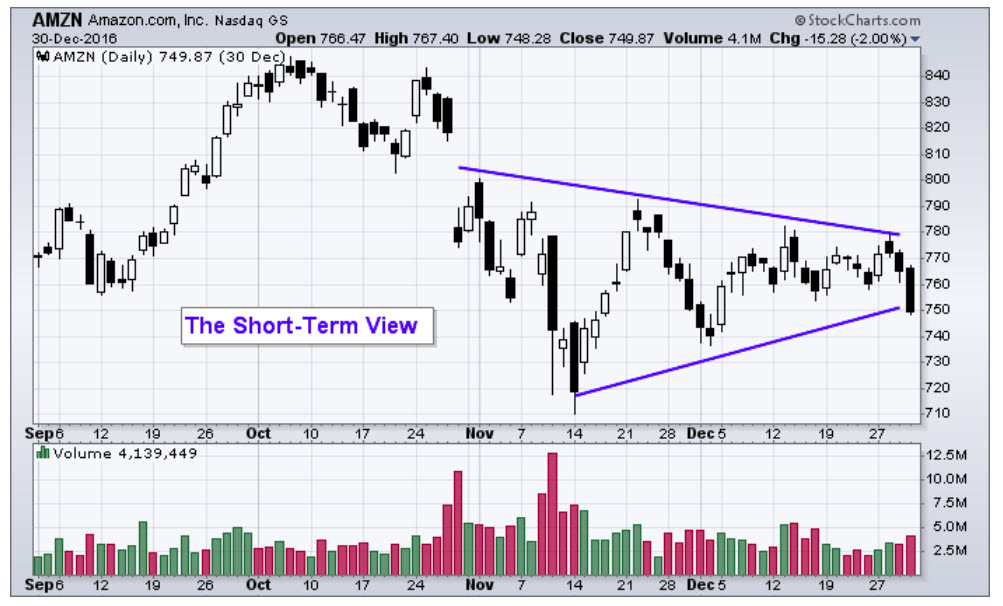
Moving averages are a popular technical analysis tool that helps investors identify trends and potential price reversals. By plotting moving averages on a stock chart, investors can see how a stock’s price is moving over time and determine its direction. Trendlines are another useful technical analysis tool that helps investors identify support and resistance levels in a stock’s price movements. By drawing trendlines on a stock chart, investors can see where a stock’s price is likely to bounce off or break through.
Volume indicators, such as the average daily trading volume, can also provide valuable insights into stock performance. By analyzing volume indicators, investors can gauge the level of interest and activity in a stock, which can help them make more informed trading decisions. Overall, using technical analysis tools can help investors analyze stock performance more effectively and identify potential investment opportunities.
Considering Economic and Industry Trends
In addition to analyzing financial statements and using technical analysis tools, investors should also consider economic and industry trends when evaluating stock performance. Economic indicators, such as GDP growth, inflation rates, and unemployment rates, can have a significant impact on stock prices. By staying informed about economic trends, investors can better understand how macroeconomic factors are affecting the stock market and individual stocks.
Industry trends are also important to consider when analyzing stock performance, as different industries may experience varying levels of growth and volatility. By researching industry trends and developments, investors can identify opportunities and risks within specific sectors. For example, technological advancements, regulatory changes, and competitive dynamics can all impact a company’s performance and stock price.
By considering both economic and industry trends, investors can gain a more comprehensive understanding of the factors influencing stock performance and make more informed investment decisions. By staying informed and conducting thorough research, investors can better position themselves to capitalize on market opportunities and mitigate risks.
Diversifying Your Stock Portfolio
Diversification is a key strategy for managing risk and maximizing returns when it comes to investing in stocks. By diversifying your stock portfolio, you can spread out your investments across different companies, industries, and asset classes, reducing the impact of any single investment on your overall portfolio performance. Diversification can help investors minimize their exposure to market volatility, sector-specific risks, and company-specific risks.
There are several ways to diversify your stock portfolio, such as investing in different industries, market caps, and geographic regions. By diversifying across different sectors, you can reduce the impact of industry-specific risks on your portfolio. Similarly, by investing in companies of varying sizes, you can minimize the impact of market capitalization risks on your portfolio. Additionally, by diversifying across different geographic regions, you can reduce the impact of regional economic trends and geopolitical events on your portfolio.
Overall, diversification is an important strategy for managing risk and maximizing returns when investing in stocks. By diversifying your stock portfolio, you can protect your investments against unforeseen events and market fluctuations, while also positioning yourself to take advantage of opportunities in different sectors and markets.
Monitoring and Reassessing Your Investments
Once you’ve analyzed stock performance and built a diversified portfolio, it’s essential to monitor and reassess your investments on a regular basis. Monitoring your investments involves staying informed about market trends, company developments, and economic indicators that may impact your portfolio. By staying informed, you can make timely adjustments to your portfolio and take advantage of opportunities or mitigate risks.
Reassessing your investments involves reviewing your portfolio’s performance, risk profile, and overall objectives to ensure they align with your investment goals. By periodically reassessing your investments, you can identify areas for improvement, rebalance your portfolio, and make strategic adjustments to enhance your returns. It’s important to regularly review your investment strategy and make adjustments as needed to stay on track towards achieving your financial goals.
In conclusion, analyzing stock performance requires a comprehensive understanding of financial statements, key performance indicators, technical analysis tools, economic and industry trends, and diversification strategies. By combining these elements and staying informed, investors can make more informed decisions when it comes to investing in stocks. Monitoring and reassessing your investments on a regular basis is essential for managing risk, maximizing returns, and achieving your financial goals. By following these strategies and techniques, investors can enhance their stock analysis skills and make more strategic investment decisions.
FAQs
What is fundamental analysis?
Fundamental analysis involves evaluating a company’s financial health, market trends, and overall performance to determine whether its stock is a good investment. This type of analysis focuses on examining a company’s financial statements, such as its income statement, balance sheet, and cash flow statement, to assess its intrinsic value and potential for growth.
What is technical analysis?
Technical analysis involves studying stock price movements and patterns to predict future price movements. This type of analysis uses technical analysis tools, such as moving averages, trendlines, and volume indicators, to identify trends and potential investment opportunities in the stock market.
Why is diversification important when investing in stocks?
Diversification is important when investing in stocks because it helps manage risk and maximize returns. By spreading out your investments across different companies, industries, and asset classes, you can reduce the impact of any single investment on your overall portfolio performance and protect against unforeseen events and market fluctuations.
How often should I monitor and reassess my stock portfolio?
It’s recommended to monitor and reassess your stock portfolio on a regular basis, such as quarterly or annually. By staying informed about market trends, company developments, and economic indicators, you can make timely adjustments to your portfolio and take advantage of opportunities or mitigate risks. Periodically reassessing your investments can help identify areas for improvement, rebalance your portfolio, and make strategic adjustments to enhance your returns. Additionally, reviewing your portfolio regularly ensures that your investments remain aligned with your financial goals, risk tolerance, and time horizon. Over time, changes in market conditions or personal circumstances—such as income, expenses, or life goals—can shift your investment priorities. By reassessing your portfolio, you can identify underperforming assets, take profits from overvalued positions, and reallocate funds to sectors or companies with stronger growth potential.
Moreover, maintaining a disciplined review process helps prevent emotional decision-making driven by market volatility. Instead of reacting impulsively to short-term fluctuations, a structured reassessment schedule allows you to make informed, data-driven choices that support long-term wealth growth.
In essence, regular monitoring and reassessment are key habits of successful investors. They not only protect your capital but also position you to seize emerging opportunities, optimize performance, and stay on track toward achieving your financial objectives.