Introduction to Retirement Strategy
Retirement strategy is a plan or approach to saving and investing for retirement. It involves setting goals, making informed decisions, and taking action to achieve financial security in retirement. A retirement strategy can help individuals maximize their savings, minimize taxes, and make the most of their retirement income.
One key aspect of retirement strategy is determining how much money you will need to retire comfortably. This involves estimating your expenses in retirement, factoring in inflation, and considering any sources of retirement income, such as Social Security or a pension. By setting a retirement savings goal, you can work towards building a nest egg that will provide for your needs in retirement.
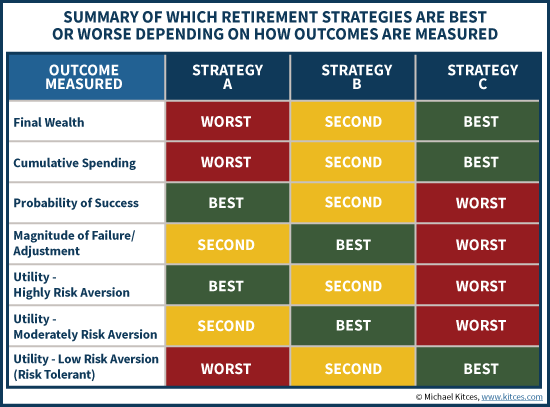
Another important element of retirement strategy is asset allocation. This involves dividing your investments among different asset classes, such as stocks, bonds, and cash, to achieve a balance of risk and return that is appropriate for your age, risk tolerance, and investment goals. By diversifying your investments, you can reduce the impact of market volatility on your portfolio and improve your chances of achieving long-term growth.
In addition to saving and investing, retirement strategy may also involve other considerations, such as estate planning, healthcare costs, and long-term care. By taking a comprehensive approach to retirement planning, you can address all aspects of your financial future and make informed decisions that will help you enjoy a secure and comfortable retirement.
Setting Retirement Goals
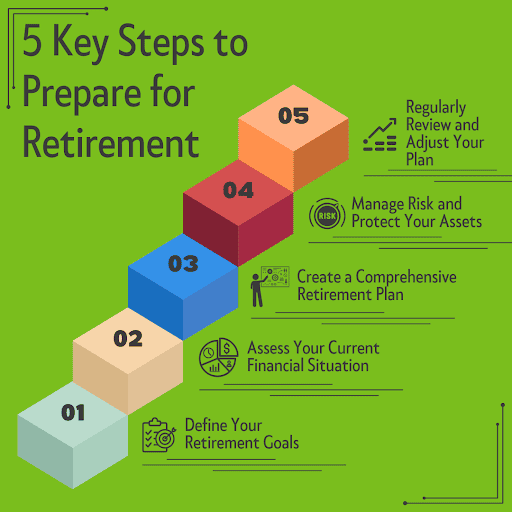
Setting clear and achievable retirement goals is an important part of retirement strategy. By defining what you want to achieve in retirement, you can create a roadmap for saving and investing that will help you reach your objectives. When setting retirement goals, it is important to consider both short-term and long-term goals, as well as your lifestyle preferences and financial needs.
One common approach to setting retirement goals is to use the SMART criteria, which stands for Specific, Measurable, Achievable, Relevant, and Time-bound. By setting specific, measurable goals that are achievable within a certain timeframe, you can track your progress and make adjustments as needed to stay on track. For example, you may set a goal to save a certain amount of money each year for retirement, or to pay off debt before you retire.
.png?width=550&name=steps%20in%20retirement%20planning%20(2).png "Retirement planning: smart strategies for a secure retirement")
In addition to financial goals, it is also important to consider non-financial goals when setting retirement goals. These may include lifestyle goals, such as traveling, pursuing hobbies, or volunteering, as well as health and wellness goals, such as staying active and maintaining a healthy lifestyle. By setting a balance of financial and non-financial goals, you can create a retirement strategy that is fulfilling and rewarding in all aspects of your life.
Ultimately, setting retirement goals is about defining what you want to achieve in retirement and creating a plan to make it happen. By setting clear and achievable goals, you can stay motivated and focused on building a secure and comfortable retirement that meets your needs and preferences.
Managing Retirement Risks
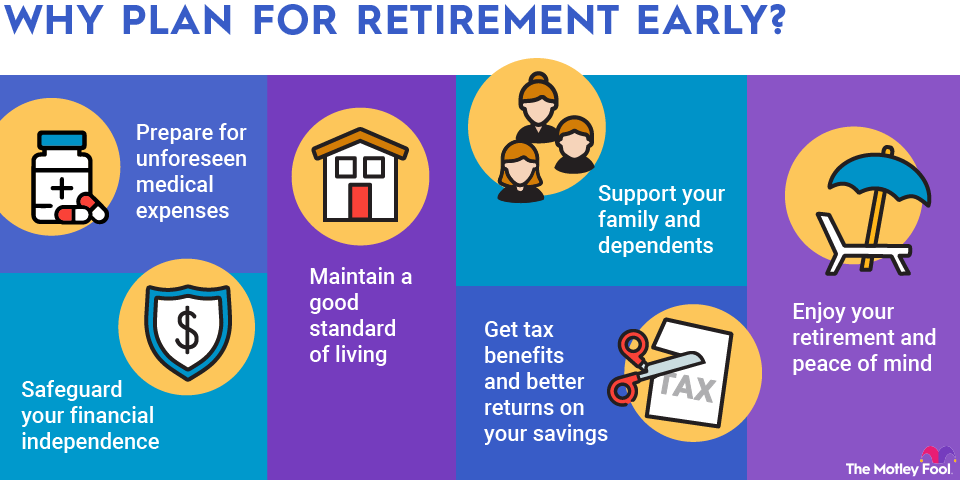
Retirement strategy involves managing a variety of risks that can impact your financial security in retirement. These risks may include market risk, inflation risk, longevity risk, and healthcare risk, among others. By understanding these risks and taking steps to mitigate them, you can build a more resilient retirement plan that will withstand unexpected challenges.
Market risk refers to the risk of loss due to fluctuations in the stock market or other investments. To manage market risk, it is important to diversify your investments, rebalance your portfolio regularly, and stay focused on long-term goals rather than short-term market trends. By spreading your investments across different asset classes, you can reduce the impact of market volatility on your portfolio and improve your chances of achieving steady growth over time.
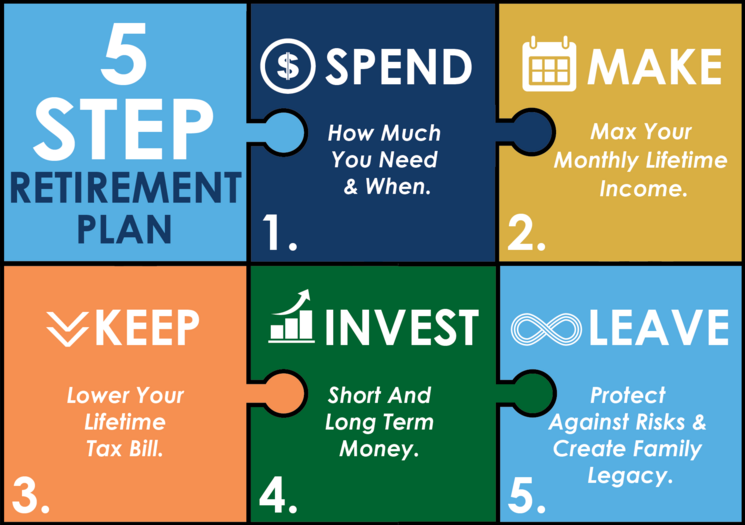
Inflation risk is another important consideration in retirement planning. Inflation erodes the purchasing power of your savings over time, which means that you may need more money in retirement than you think. To combat inflation risk, it is important to invest in assets that have the potential to outpace inflation, such as stocks or real estate. By incorporating inflation protection into your retirement strategy, you can ensure that your savings will last throughout your retirement years.
Longevity risk refers to the risk of outliving your savings in retirement. With increasing life expectancy, it is important to plan for a longer retirement than previous generations. To manage longevity risk, it is important to save more, delay retirement, and consider strategies such as annuities or long-term care insurance. By taking steps to address longevity risk, you can ensure that you have enough savings to last throughout your retirement years and maintain your quality of life.
Healthcare risk is another important consideration in retirement planning. As healthcare costs continue to rise, it is important to plan for these expenses in retirement. By factoring in healthcare costs when setting retirement goals, you can avoid unexpected financial challenges and ensure that you have the resources to cover medical expenses in retirement. By managing healthcare risk effectively, you can protect your financial security and enjoy a comfortable retirement without worrying about unexpected expenses.
In conclusion, retirement strategy is a comprehensive approach to saving and investing for retirement that involves setting goals, managing risks, and making informed decisions. By setting clear and achievable retirement goals, managing risks effectively, and taking a proactive approach to retirement planning, you can build a more secure and comfortable retirement that meets your needs and preferences. By incorporating these key elements into your retirement strategy, you can create a roadmap for financial success in retirement and enjoy a fulfilling and rewarding retirement lifestyle.
FAQs
What is a retirement strategy?
A retirement strategy is a plan or approach to saving and investing for retirement. It involves setting goals, making informed decisions, and taking action to achieve financial security in retirement.
Why is retirement strategy important?
Retirement strategy is important because it helps individuals maximize their savings, minimize taxes, and make the most of their retirement income. By setting clear goals, managing risks, and making informed decisions, individuals can build a more secure and comfortable retirement.
How do I create a retirement strategy?
To create a retirement strategy, start by setting clear and achievable retirement goals. Consider both financial and non-financial goals, such as lifestyle preferences and health and wellness goals. Manage risks, such as market risk, inflation risk, longevity risk, and healthcare risk, by diversifying investments, incorporating inflation protection, planning for a longer retirement, and factoring in healthcare costs. By taking a comprehensive approach to retirement planning, you can build a more resilient retirement plan that meets your needs and preferences.